





















































March-April 2010

Controlling Job-Site Erosion

The importance of communication and cooperation cannot be stressed enough.

Article Tools

  • RSS
  • Save
  • Print
  • Email
Create a Link to this Article
Additional Article Content

Sunday, February 28, 2010

By Jerald S Fifield

Comments

What are the most important best management practices (BMPs) needed on a construction site to ensure minimal discharge of sediment during runoff events? Is it strategically placing barriers to block the path of runoff? Or should sediment containment systems (SCSs) be placed to intercept runoff? How about implementing erosion control practices?

Actually, it is none of the above. It is communication and cooperation.

Communication and cooperation are such simple and inexpensive BMPs. However, with whom should they be implemented? Should it be with the contractor who is simply following a set of plans? Are better communication and cooperation with the designer needed? But aren’t designers simply following rules and regulations set forth by a regulatory agency? If those rules and regulations are flawed, shouldn’t this problem be communicated to the regulators? Finally, don’t forget about the inspector who is supposed to be well informed about sediment and erosion control plans and be knowledgeable about BMPs. What happens when inspectors don’t know everything about the plans and have a limited knowledge about sediment and erosion control?

The above discussion suggests that a hierarchy of communication and cooperation to ensure effective sediment and erosion control on a construction site is not a “one-way street.” Figure 1 illustrates the interdependency of individuals and/or agencies if the goals set forth in the Clean Water Act (CWA) and EPA requirements are to be met. Notice there is no one group of individuals or agencies that must be accountable for effective sediment and erosion control. Instead, everybody must be responsible and be able to communicate and cooperation with each other and interaction between all of those working on a construction project must occur.

Regulatory Agencies
What is the role of regulatory agencies? Few would argue that they must enforce the environmental laws of the United States. However, enforcement must be done in a manner that is realistic, achievable, and consistent. This can only be accomplished by regulatory agencies continually communicating and cooperating with all affected parties. At the same time, it is equally important that designers and inspectors provide feedback to regulatory agencies so that their policies remain effective and realistic.

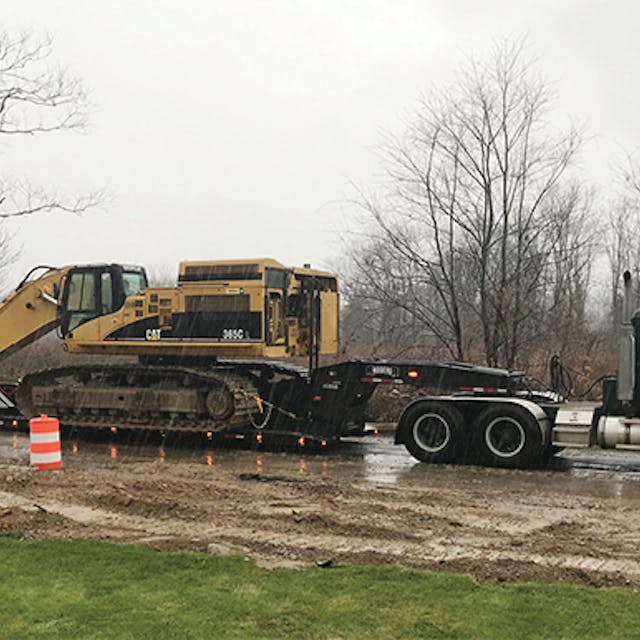
Photo: Jerald S. Fifield
Protecting the environment is a responsibility everybody must share.
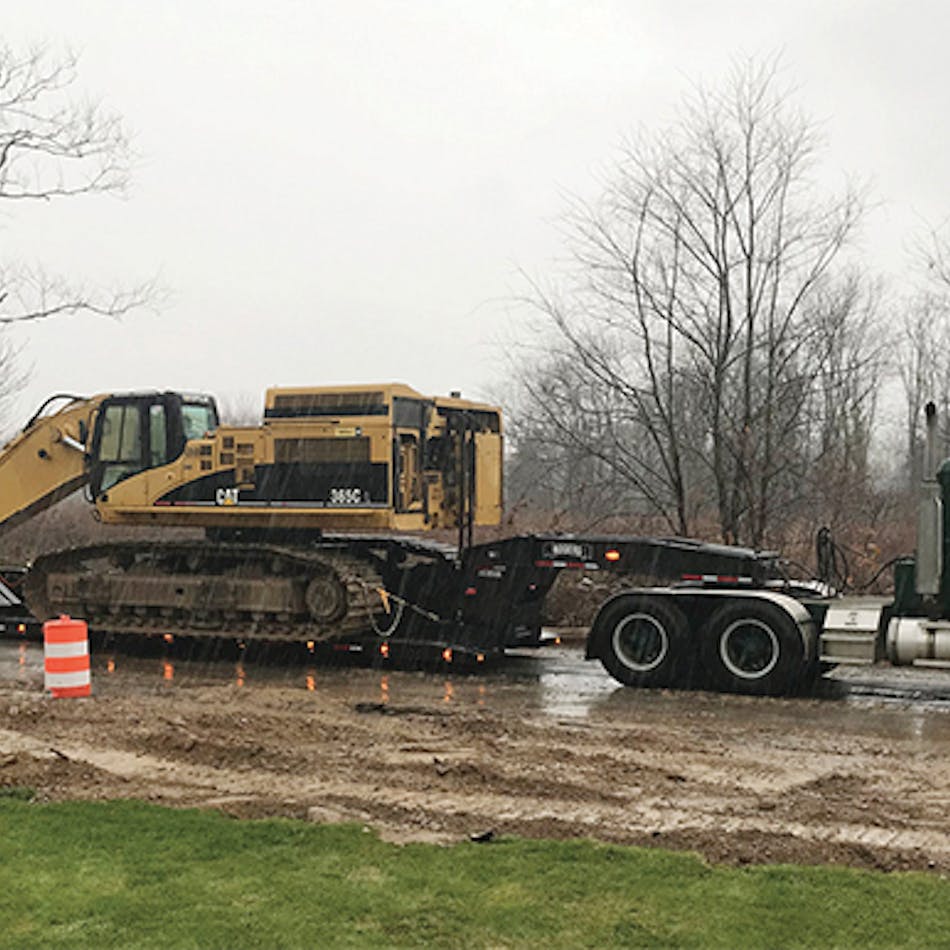
Photo: Jerald S. Fifield
Contractors can reduce sediment and erosion control costs by always installing, inspecting, and maintaining BMPs in a timely manner.
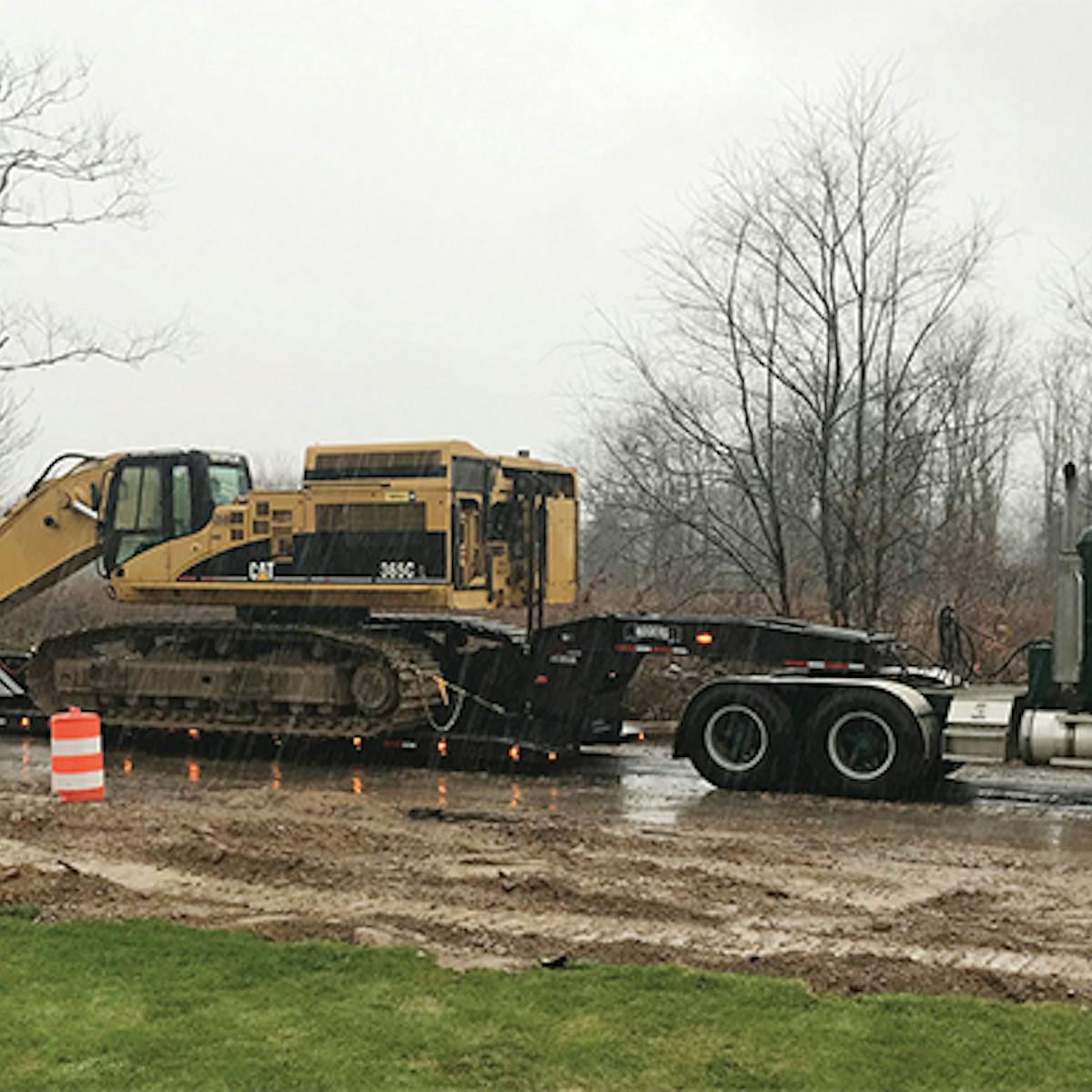
Photo: Jerald S. Fifield
Since construction activities can potentially disturb considerable amounts of land, every effort must be taken to minimize sediment leaving a site.

Political Backing—Regulatory agencies must have the political resolve to enforce the law of the land. This is the role of the EPA, which has the backing of the United States government. Unfortunately, local regulatory agencies do not have the luxury of such support. Instead, they must obtain local political support—a task that is not always easy to achieve. Thus, effective communication (sometimes known as marketing) is needed to ensure political support if reduction in sediment found in runoff waters from construction sites is to become a reality.

Requirements—Once political backing is ensured, regulatory agencies must clearly communicate to designers, contractors, and inspectors about their requirements. Clearly defined requirements for drawings, identifying acceptable BMPs and recognizing their limitations, discussing timing issues for installing BMPs, and allowing for innovation must the norm. Submittals using “cookbook” methods should be avoided since they stifle use of innovative techniques and can cause sediment and erosion control to be a sham.

Review Process—Regulatory agencies must clearly communicate submittal requirements and cooperate with the applicant on how and when plans will be reviewed and processed. Review processes that exceed 30 days cannot be tolerated. Also, if a regulatory agency requires professionals to develop sediment and erosion control plans, similarly qualified people must review and approve the submittals. Any other action communicates the impression that qualified people are not necessary to oversee NPDES permit requirements.

Identify Penalties—In an idealize world, everybody will try to protect the environment. Reality dictates that the possibility of penalties is required if compliance is to be achieved. Doing nothing communicates the impression that regulatory agencies are not serious about protecting the environment. Lack of action is construed as doing business as usual and does little to protect the environment while construction activities occur. Small “hand slapping” fines will be ignored. Work stoppage catches everybody’s attention. However, regulatory personnel must coordinate and cooperate with contractors to allow for completion of maintenance requirements in a timely and practical manner.

Designers
Since designers are representing permittees, they have the difficult task of interpreting regulatory requirements and satisfying the demands of a client. In addition they need to develop sediment and erosion control plans that contractors can implement in a cost-effective manner, which can only occur when they are properly trained and possess adequate experience. As a minimum, designers must be cognizant of hydrology, engineering, drainage issues, sediment and erosion control BMPs, agronomy, geology, soil science, and politics. Most important of all, perhaps, they must possess common sense.

Often, regulatory requirements mandate that designers of sediment and erosion control be professional engineers (PEs). This requirement puts those having minimal sediment and erosion control skills in a compromising position since professional ethics could prevent them from signing and being accountable for a plan. Unfortunately, today there are too many engineers signing plans for which they have very little expertise and minimal qualifications. Sadly, qualified designers who are not PEs are being prevented from applying their professional expertise and skills to develop effective sediment and erosion control plans for contractors.

Identify the Needs—Designers must understand what is required to reduce sediment from runoff waters and how to minimize erosion while construction activities occur. They need to assess how construction activities might affect critical areas such as wetlands, streams, and ponds. Also, designers need to maintain communication with regulatory agencies and cooperate with contractors to ensure their needs and requirements are being met.

Understand What Is Needed—Designers must complete site visits before, during, and after construction activities occur. Pregrading site visits help identify critical habitats, observe existing vegetation, develop a feel for the site, and identify potential problems. By completing site visits during grading activities, designers can learn about problems that contractors and inspectors experience on a daily basis. Also, they need to complete after-grading site visits to assess whether their erosion control recommendations are actually minimizing sediment discharges. Those designers that do not conduct such visits lack a critical professional component in their competency to design effective construction site sediment and erosion control plans.

Develop Plans for Contractors—Approved sediment and erosion control plans are nothing more than a “first appraisal” of what needs to be completed on a construction site. As such, they must change if effective protection of the environment is to occur.

Photo: Jerald S. Fifield
The contractor should be informed of noncompliance and violation issues.
Photo: Jerald S. Fifield
Designers must understand what is required to reduce sediment from runoff waters and how to minimize erosion while construction activities occur.

Thus, it is important that development of sediment and erosion control plans be for the contractor and not the regulatory agency. Designers can only do this by completing site visits and communicating with contractors about what is required for before, during, and after grading/construction activities.

Plans must include numerous and informative notes, adequate contour lines, identification of BMPs, and clear instructions as to when something is to be completed (see Figure 2 and Figure 3). It is critical that designers avoid cookbook solutions that result in exactly the same template for every submittal. All construction sites are unique in their requirements for sediment and erosion control.

Finally, designers should never assume contractors know everything about controlling sediment and erosion while construction activities occur. They don’t.

Get Involved—Designers have to be involved with all aspects of sediment and erosion control. Communication with the client, contractor, inspectors, regulatory agencies, and (if there is a need) the general public needs to occur. Efforts should be made to hold at least monthly meetings with all parties for frank discussions about the sediment and erosion control plan. Are some of the BMPs not practical? Should there be modifications to the plan? Why are noncompliance situations occurring? What can be done to improve the current problem? Only by asking these, and similar questions, will designers learn about what is happening on construction sites with regard to minimizing the discharge of pollutants during runoff events.

Contractors
Contractors will make or break a sediment and erosion control plan developed by designers. If the plan is confusing, then only minimal measures will be installed. However, when plans clearly communicate what is needed, what is to be installed, and when installation is to occur, effective sediment and erosion control on a construction site will become a reality.

Take the Plan Seriously—Protecting the environment is a responsibility everybody must share. Since construction activities can potentially disturb and expose vast amounts of land, every effort must be taken to minimize sediment leaving a site. Thus, contractors have to take sediment and erosion control plans seriously. Only in this manner will contractors minimize noncompliant situations that could result in administrative fines of possibly up to $32,500 per day per violation with no upper limit.

Install, Inspect, and Maintain—Contractors can reduce sediment and erosion control costs by always installing, inspecting, and maintaining BMPs in a timely manner. They must accurately record what was found during inspections and identify what maintenance activities are to occur. Finally, contractors must realize their inspection records have to remain available for possible review by governmental agencies for at least for three years after completion of the project.

Educate—Contractors need to communicate with designers (and reviewers) and cooperate with inspectors when plans illustrating specific BMPs do not function as designed. This means contractors may have an obligation to (diplomatically) educate designers and inspectors when they see the need for necessary changes and/or modifications. Likewise, contractors must be ready to learn about new sediment and erosion control methods.

Inspectors
Pity the poor inspector. In what other profession does one have to be a politician while communicating and cooperating with contractors, designers, and regulatory agencies? And, at the same time, inspectors are to be knowledgeable about all aspects of sediment and erosion control? Not an easy task for any one person.

Understand the Plan—If inspectors do not understand construction plans, then more than likely they will not know how to read sediment and erosion control drawings. Plans are more than just symbols on a piece of paper. They are a blueprint for contractors to follow. Thus, inspectors have to know implementation schedules, where and when BMPs are to be installed, and what BMPs are to be maintained or eliminated. And they must fully understand the limitations of BMPs.

Become Certified—Inspectors have an obligation to complete their tasks in a professional manner that ensures effective communication with regulatory agencies, designers, and contractors. Thus, certification is recommended to demonstrate their competency with sediment and erosion control issues along with ensuring they are current with the many regulatory requirements associated with active construction sites. An excellent and professional nationwide certification is available through the Certified Inspector of Sediment and Erosion Control (CISEC) program. More information can be found at www.cisecinc.org.

Know the Limitations—Inspectors must know their limitations when modifications and updates of a sediment and erosion control plan are required. Unless they are qualified to be a designer, inspectors must maintain communications with designers when major modifications are required. If an inspector completes major modifications to a plan without the designer’s approval, he/she may be liable for any damages caused by implementation of the changes.

Communicate Your Concerns—The contractor must be informed by the inspector of noncompliance and violation issues. However, sufficient time must exist to allow for repairs, installation of new BMPs, removal of structures, and soforth. When it appears a plan is not workable or has obvious problems, then the inspector must relay these observations to the designer, contractor, and regulatory agency. Likewise, when regulations prevent or hamper the implementation of effective sediment and erosion control techniques, inspectors must inform regulatory agencies of these problems.

Insist on Regularly Scheduled Meetings—Inspectors should try to meet at least weekly with the contractor to avoid problems that might lead to noncompliance issues. During these weekly meetings, the contractor can provide updates about construction activities and how they impact what is needed for effective sediment and erosion control. Inspectors must cooperate with contractors and inform them about problems found that need to be addressed in an expedient manner. Monthly meetings with designers and regulatory personnel should also occur so all parties can assess whether their involvement has been an asset or detriment in protecting the environment.

Summary
Effective sediment and erosion control on construction sites requires continual communication and cooperation between all parties associated with the project. When these simple and cost-effective BMPs are consistently implemented, problems associated with sediment and erosion control will be minimal. However, ignoring the use of this simple BMP will lead to excessive construction costs and needless noncompliance situations. 

Author's Bio: Jerald S. Fifield is president of HydroDynamics Inc. in Parker, CO.


Advertisement]

What Do You Think?


Be the first to tell us what you think!

Post a Comment

Note from the Editor: The content that appears in our "Comments" section is supplied to us by outside, third-party readers, and organizations and does not necessarily reflect the view of our staff or Forester Media—in fact, we may not agree with it—and we do not endorse, warrant, or otherwise take responsibility for any content supplied by third parties that appear on our website. All comments are subject to approval.

CAPTCHA Validation
CAPTCHA
Code:


Grading and Excavation Contractor Email Updates!

Get weekly news and updates through our email newsletter!