


















































The Grading and Excavation Contractor Blogs

The Blogger

Trotti, John

More from this blogger

Grading and Excavation Contractor Editor's Blog

  • RSS
  • Save
  • Print
  • Email
Tuesday, December 13, 2011 6:14 PM

Equipment Theft in a Tough Economy

By: Trotti, John Comments

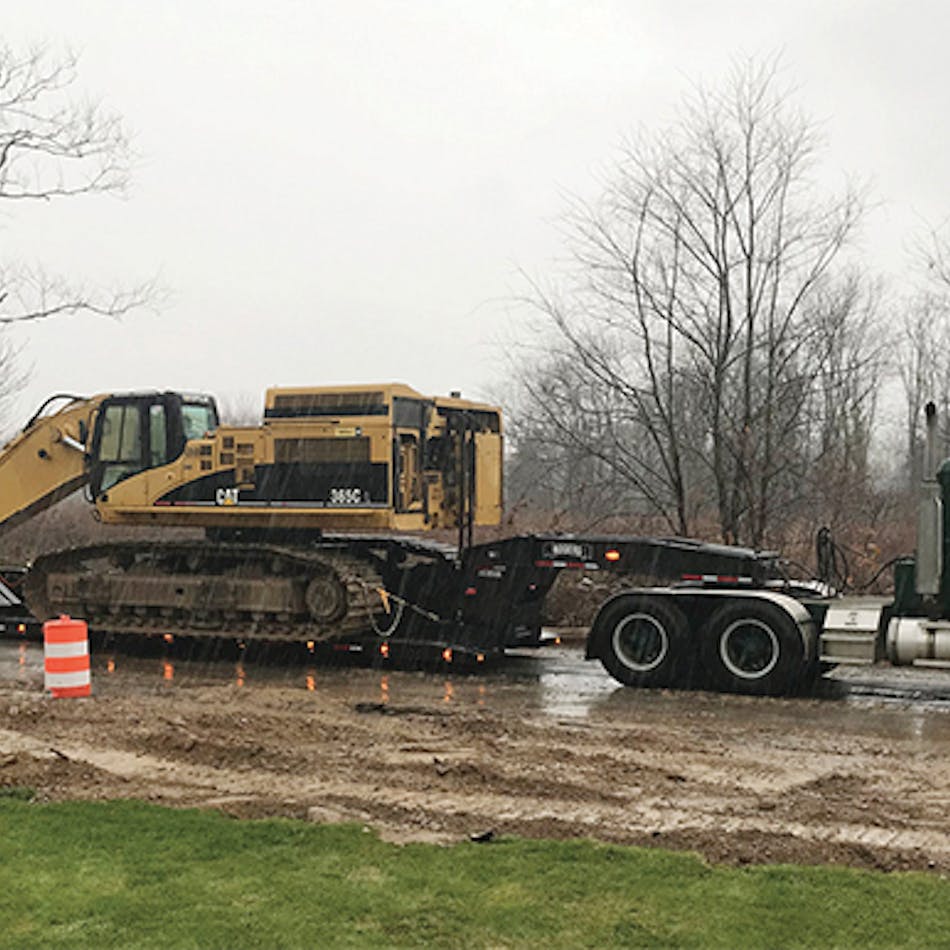
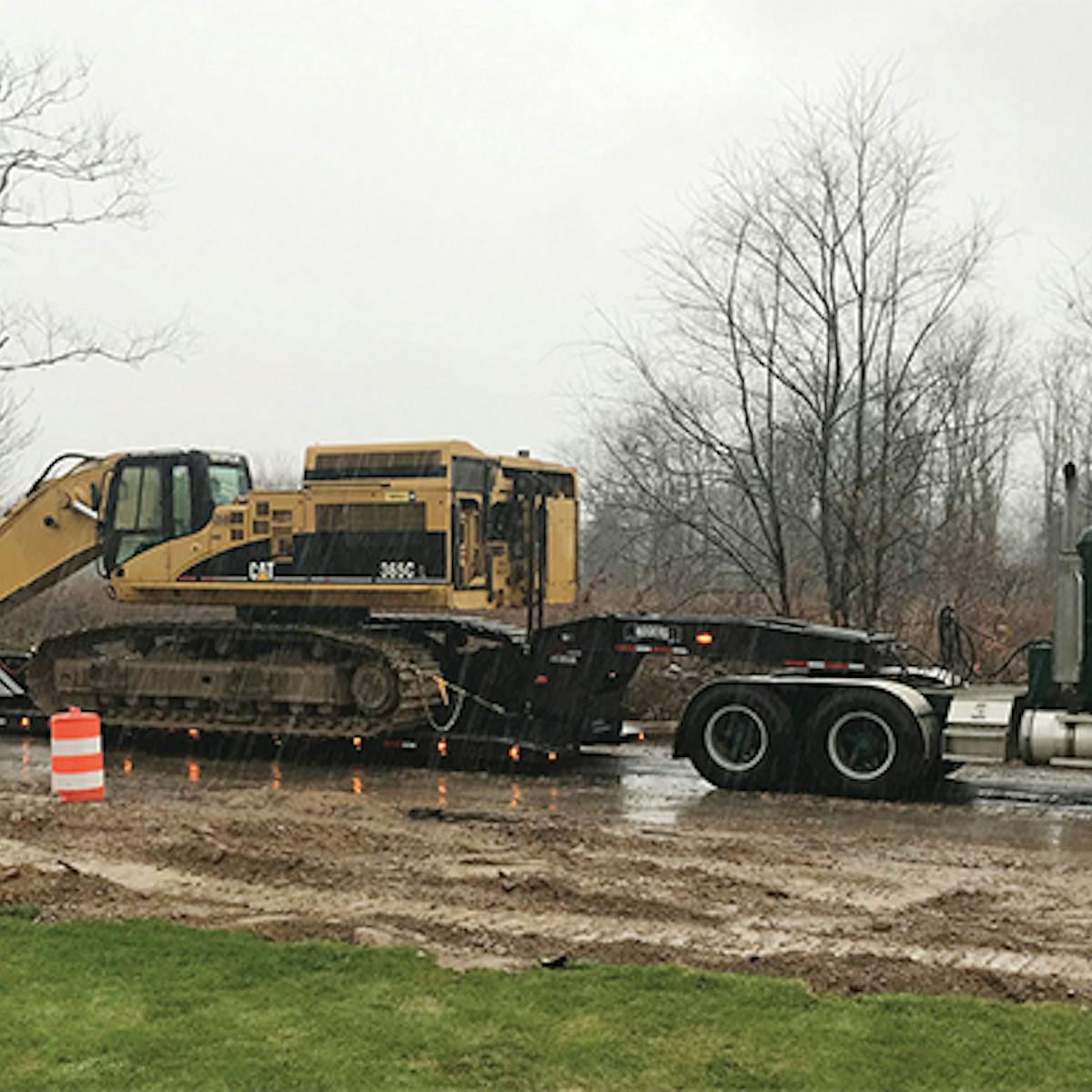
A recent study on equipment theft showed that while most aspects of heavy construction have suffered during the downturn, equipment theft has continued unabated…clocking in at its annual average of $1 billion. And that’s just the amount based on reported thefts. According to statistics, more than two-thirds of equipment owners have fallen victim to a crime that shows no sign of abating on its own, so if you believe it’s time to do something about this, maybe a good place for us to start is by opening our eyes to the simple fact that no business can exist without a market.

With very few exceptions, the potential marketplace for stolen construction equipment is made up of you and your competitors, so that narrows things quite a bit. The field shrinks even more when you understand that, in a whopping 97% of the cases, the stolen equipment is recovered in the same state in which the theft was reported.

It doesn’t take a study to tell you that the most frequent targets were the most useful and transportable items—backhoe loaders, compact equipment of all kinds, pickup trucks, work trucks, trailers, gensets/compressors/welders, and the full range of attachments—nor should you be surprised to learn that two-thirds of the recovered equipment is five years old or less

Keep Good Records—Label all equipment with unique identifying numbers, including product identification numbers (PINs) and owner-applied numbers (OANs). Consider marking the above numbers in multiple locations on equipment.

Keep accurate inventory records—Record manufacturer, model number, year, PIN, and purchase date for each piece of equipment. Record serial numbers of each major component part. Consider registering your equipment with a national database

Focus on Physical Site Security—When possible, fence in your equipment. Park equipment close together and in a circle, if feasible, with smaller pieces in the center. Chain small equipment to larger equipment. Install onsite security cameras and motion sensors on the job site. Communicate with law enforcement and request more frequent patrols, especially in known high-theft areas

Use theft deterrents and proven recovery systems—Use immobilization such devices as wheel locks, fuel shut-offs, or ignition locks. Consider installing battery-disconnect switches. Use a proven tracking/recovery system that offers time-tested tracking technology and is integrated with police so that recovery is in the hands of the law.

Back to my first point—that without a market there would be no equipment theft business—it’s too bad, in a way, that vigilantism is not an option, but it makes it all that more important to see that not only the thieves receive justice, but that those who buy from them are put out of business as well.

*****

Upcomimg Forester University Webinars:
January 12th, 2012
Planning & Executing an Effective Pavement Preservation Program

As roadway networks and commercial vehicle loading continue to increase and Municipality taxation power remains limited, the need to effectively maintain and improve our pavement infrastructure is paramount. Join David Hein, V.P. of Transportation for ARA, to explore the key concepts of an effective pavement preservation program, program implementation needs and guidelines, and common roadblocks to successful implementation.

January 26th, 2012
5 Steps to Creating a Successful Public Outreach Campaign
Change starts with people. Whether your focus is stormwater pollution, energy conservation, pavement restoration, or recycling, a successful public outreach campaign resonates with your target audience and leads to long-lasting behavior change. Join Erica Hooper of SGA to explore a proven 5-step approach to crafting a successful outreach campaign based on real-world examples of the good, the bad, and the ugly.

February 2nd, 2012
Advanced Stormwater Treatment: Dissolved Pollutants
How effective are your stormwater treatments in capturing dissolved loads? With an average of 45% of the phosphorus load and up to 50% of the metal load transported through treatment practices to receiving waters in dissolved form, advanced treatment is imperative. Join Andrew Erickson to explore cost-effective, field-tested methods to capture stormwater dissolved pollutants and optimize stormwater treatment performance. We’ll explore several field applications and data demonstrating significant improvements in dissolved pollutant fraction capture.

February 9th, 2012
Differentiating & Monitoring Groundwater Plumes

Threatened by various plumes of mobile contaminants, urban potable groundwater resources require groundwater professionals to not only determine the source of individual plumes, but apportion the contributions of multiple sources within a composite plume. Join William G. Soukup, P.G. of Cornerstone Environmental Group LLC to discuss the analytical and interpretive techniques for differentiating plumes and their sources, as well as tips to improve long-term plume monitoring and management.

What Do You Think?


Be the first to tell us what you think!

Post a Comment

Note from the Editor: The content that appears in our "Comments" section is supplied to us by outside, third-party readers, and organizations and does not necessarily reflect the view of our staff or Forester Media—in fact, we may not agree with it—and we do not endorse, warrant, or otherwise take responsibility for any content supplied by third parties that appear on our website. All comments are subject to approval.

CAPTCHA Validation
CAPTCHA
Code:


Grading and Excavation Contractor Email Updates!

Get weekly news and updates through our email newsletter!