





















































Several years
ago I told the story of how my neighbor had his brand-new compact loader stolen
from a work site. Not surprisingly, he was livid when he called to tell me about
it, and his mood had hardly improved after visits with his insurance company and
the local sheriff's department, both of which acquainted him with the painful
fact of life that there was little likelihood his machine would be recovered.
“Snowball's chance in hell” was the sheriff's considered opinion, though the
insurance agent sounded a note of optimism with a story about the recovery of a
dozer that someone was attempting to drive across the border into Mexico. It
seems that not every thief has a well-nourished stealth gene.
As it turns
out, some snowballs are more heat-resistant than others, because three weeks
later I was present when the call came from the deputy sheriff announcing the
loader’s miraculous return from the grave.
How did they
manage to recover it in the face of seemingly impossible odds? “Total fluke,”
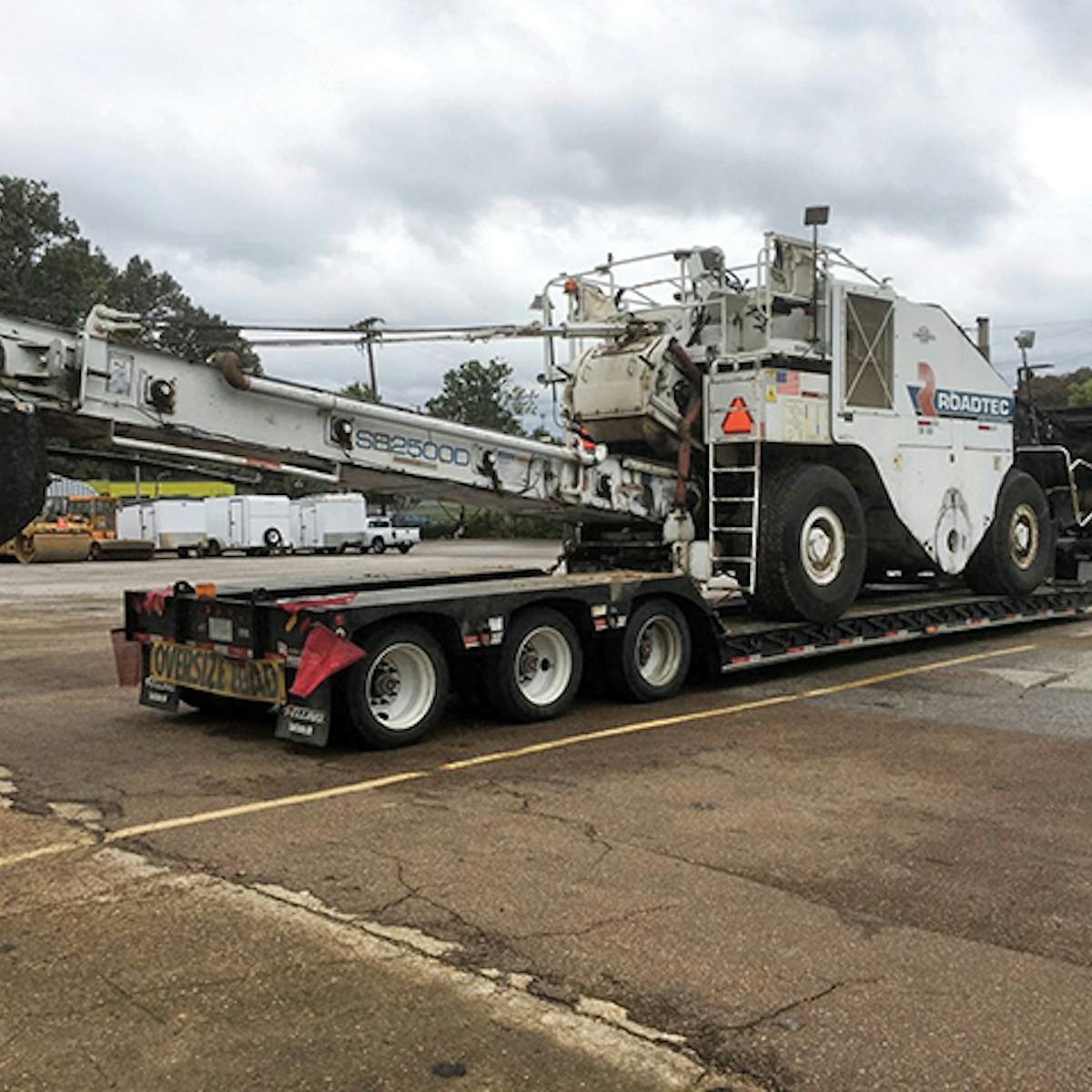
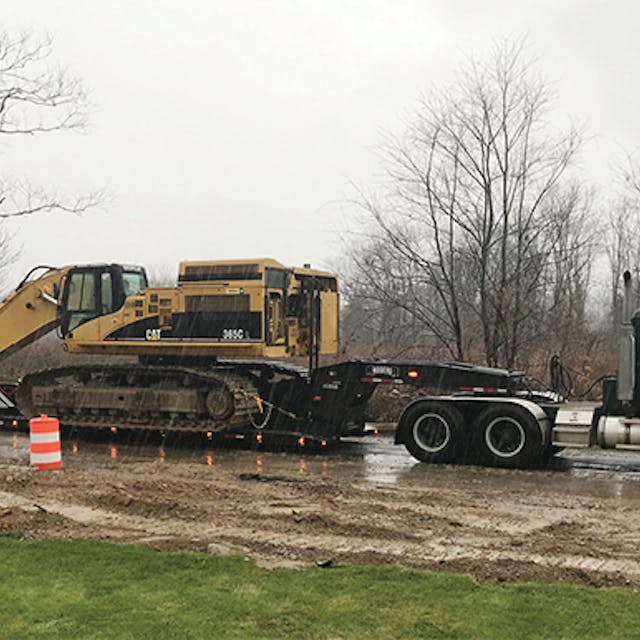
the deputy explained. “We stopped this guy towing a trailer just to tell him his
lights weren’t working, but it turned out that he had no license, registration,
or proof of insurance.”
It was about
this time that a highway patrol cruiser stopped by to see what was up, and after
a brief check, the patrolman determined that the truck itself was stolen, as was
the trailer and—of course—the loader.
Once in
custody, the driver explained that he was only the deliveryman who had been paid
to transport the entire package—truck, trailer, and loader—to a contractor in
the next county. Two phone calls and a midnight visit to the home of the alleged
purchaser turned up four more pieces of stolen equipment along with the name of
a local equipment rental business owner who was running a theft ring on the
side.
You’d have
thought there would have been enough surprises for one phone call, but the
deputy was not yet finished. “Maybe you’d like to know how your loader came to
be stolen? You've got an employee named Pete Jones [not his real name], don’t
you?” Though I couldn’t hear what the deputy was saying, I could tell by the
look on my buddy’s face that the news he was getting was not all
good.
“Yeah, Pete
started working for me three months ago when his own company went belly-up. I
felt kind of sorry for him. I take it he’s involved in
this.”
“I guess
that’s what you get for trying to be a nice guy,” the deputy sympathized. “Seems
that he’s been fingering equipment for quite a while. Now you have to find
someone else to take his place and hope that he’s not a
crook.”
What lessons
can we learn? The first thing is that equipment theft is big-time business and
that no one—even those who live and work in laid-back, seemingly safe and secure
surroundings—is immune. The next is that there are a number of effective
antitheft devices and systems available on the market to deal with different
situations. The third—and perhaps most painful lesson—is that the threat is not
just “out there” somewhere, but close at hand.
The bottom
line is that equipment security—like personnel safety—is not an action or even a
collection of devices and practices but, rather, a mindset: the establishment of
a culture that recognizes the threats and takes steps to counter them before
they can gain a foothold. What are the keys? Awareness, preparedness,
vigilance—yes, these are elements, but to be effective they must be constantly
reviewed, renewed, and reinforced.