

















































Despite all the
machinery involved, dirtworking is not merely a mechanical exercise. If it were,
we could go immediately to robotics and spend our time shuttling back and forth
between our favorite fishing hole and the bank, allowing legions of little black
boxes to do all the work. As you well know, a machine’s productivity on a
jobsite starts with the operator’s underlying knowledge of dirt, without which
all the skill in the world at video games doesn’t mean squat. This brings us
face-to-face with the human resource element.
Some fundamental
changes have been taking place to our entire society ever since the start of
World War II when roughly two-thirds of our population was rural. The
transformation of so much of our population and production to the wartime effort
introduced changes to society that continue to today, one of which is that we
are approaching the point where two-thirds of our population is urban. An
immediate upshot is that with fewer family-owned and -operated farms, our access
to people who know dirt has dwindled to a trickle in recent years. So while
there are millions of Game Boy wizards out there, dirtmanship in the US
is fast becoming a lost art.
Additionally, as
well you know, a decreasing number of those entering the workforce (1) have
English as their native language, and (2) bring with them cultural and
educational backgrounds similar to those of their predecessors. As we’ve pointed
out numerous times in the past, while this is surely a challenge, it carries
with it the seeds of opportunity.
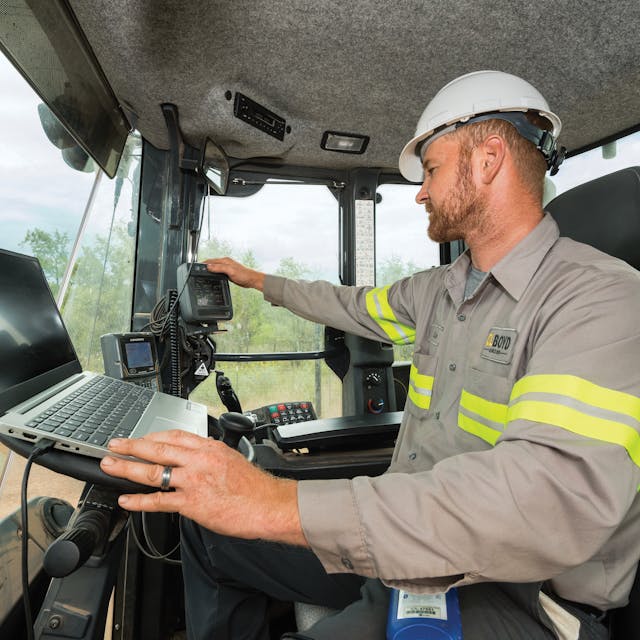
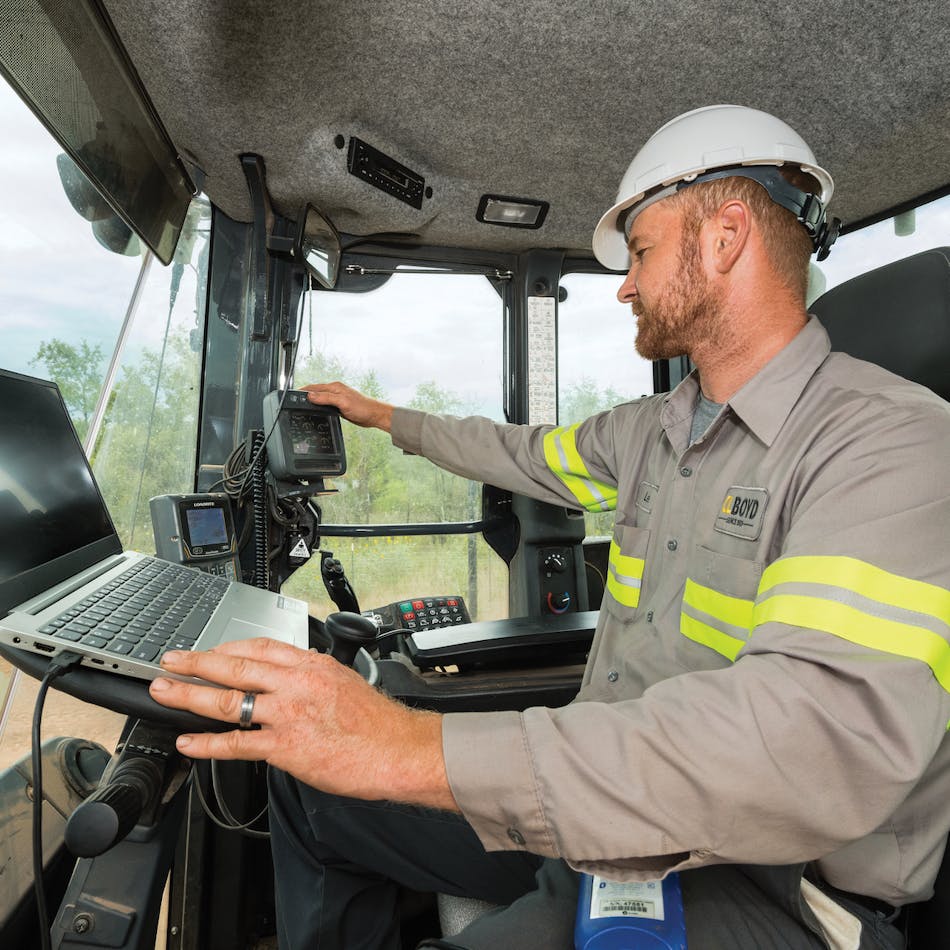
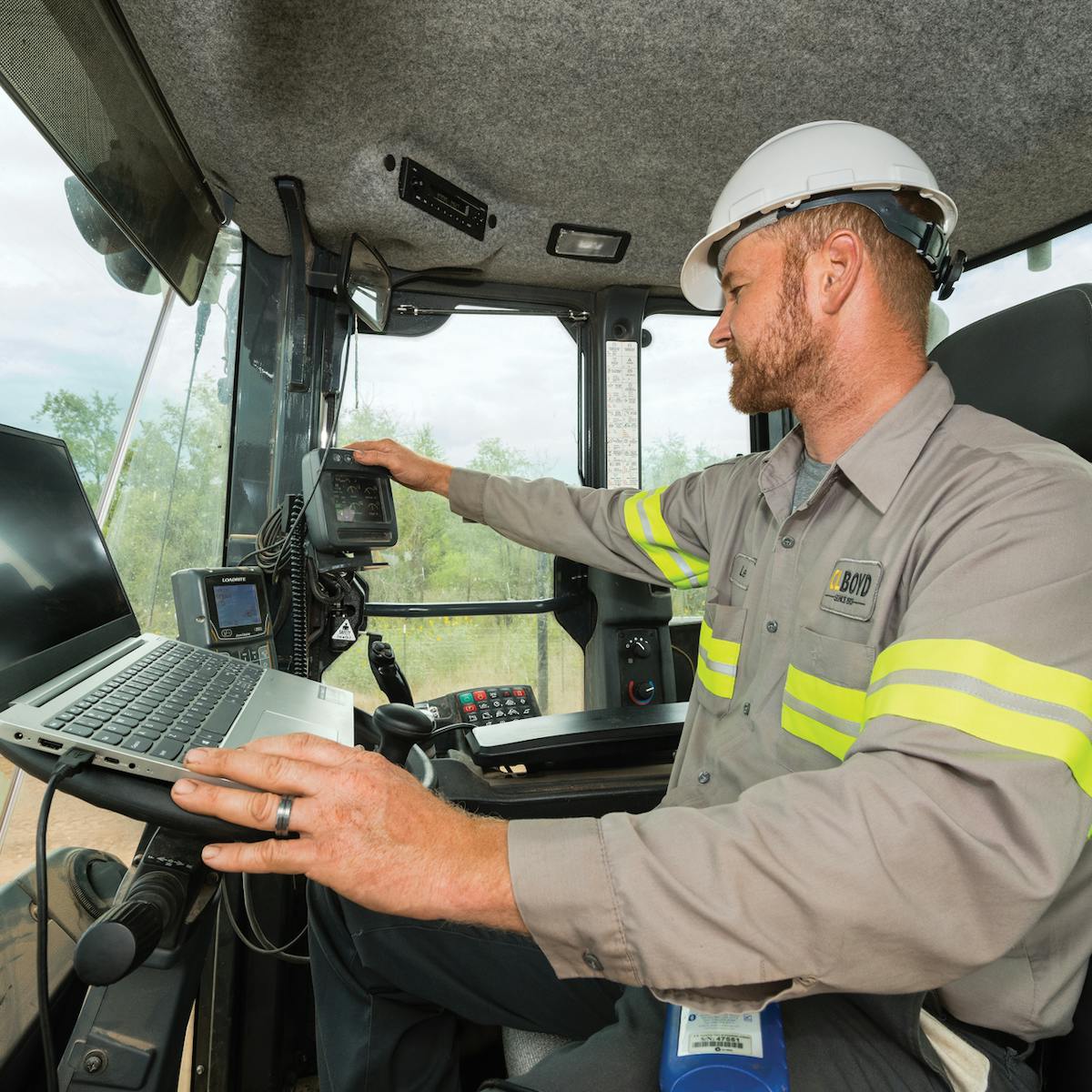
What machine
control systems are great at is making good dirtworkers better and more
efficient, but while they can give a novice a hand up, they can’t give him what
those with a rural/farming background bring with them their first day on the
job. Even less so can they supplant the years of experience enjoyed by those who
have grown old in the profession.
So what is the
message? Simply that faced with a looming crisis in the skill sets of people
entering the workforce at a time we need all the productivity we can find, we
have an opportunity with those coming from south of the border to build on the
agricultural background many of them bring with them to put our wonderful
technologies to better use than ever. It seems to me that investments both in
training and technology are the surest path to future success.