






















Where once we
were looking at what we thought to be an expanding construction universe, today
we are caught up in a sea of momentous change affecting nearly every aspect of
our business. The economy is one aspect, but that’s not what I want to talk
about here. Rather it’s about how the tools of our trade have changed and what
this means.
Time was you
could pace out a site, scribble some numbers on the back of a piece of paper,
make a few calculations, add in your secret fudge factor, and come up with a
decent bid. When the electronic calculator came along, it allowed you to add a
few extra decimal places to your initial calculations, but your secret factor
rounded those off so the end result was pretty much the same as when the pencil
was invented.
But then came the
computer and spreadsheet and the bidding wars began to heat up, leading us to
the present where if you don't have a pretty high-powered business software
suite you're liable to find yourself among the also-rans. And that's just one
aspect of the digital revolution that has both blessed and cursed our
lives.
Face it—life was
pretty good before the microchip. Do you remember the days when you'd meet
face-to-face with the project owner to discuss what the job entailed, lay out
the schedule, talk about money, shake hands, jump on a machine with levers and
mechanical linkages, and move some dirt? In those days it seemed that amid all
the dirt, smoke, and confusion you were able to make time for some fishing or
golfing or camping with your family. The machines you operated were beefy and
often needed to be coaxed to perform with a firm hand that was on an
honest-to-goodness chunk of metal rather than a something more suitable as a
child's toy than a thundering behemoth turning mountains into molehills. You
don't have to have been moving dirt for too many years to remember the day you
saw your first joystick and wondered just what the designers were sprinkling
into their oatmeal. Now look what's happened.
Instead of a
couple of rugged gauges designed somewhere during the Middle Ages by a
blacksmith who basically told you that the engine was working just in case you
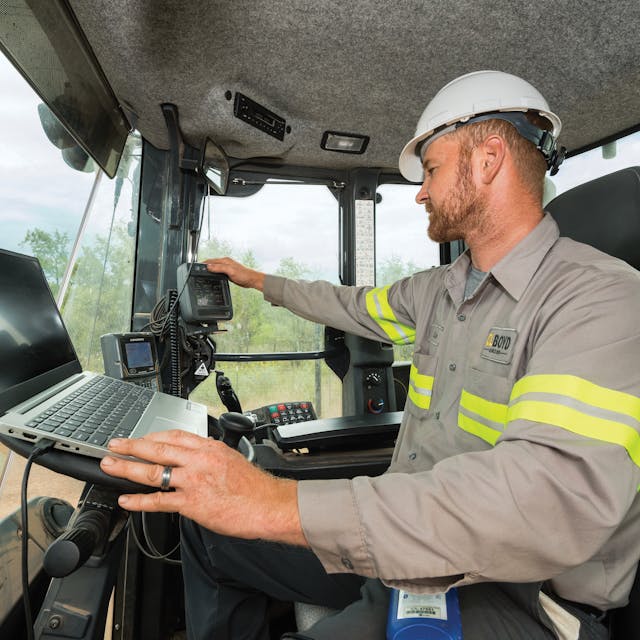
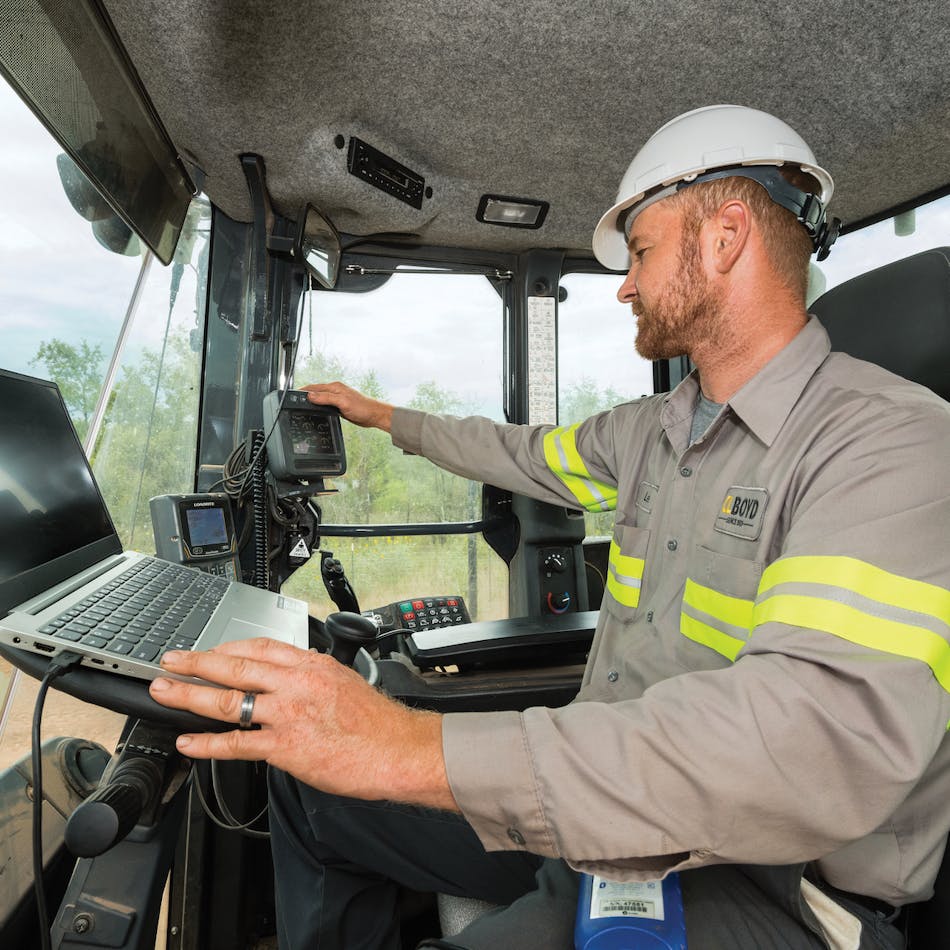
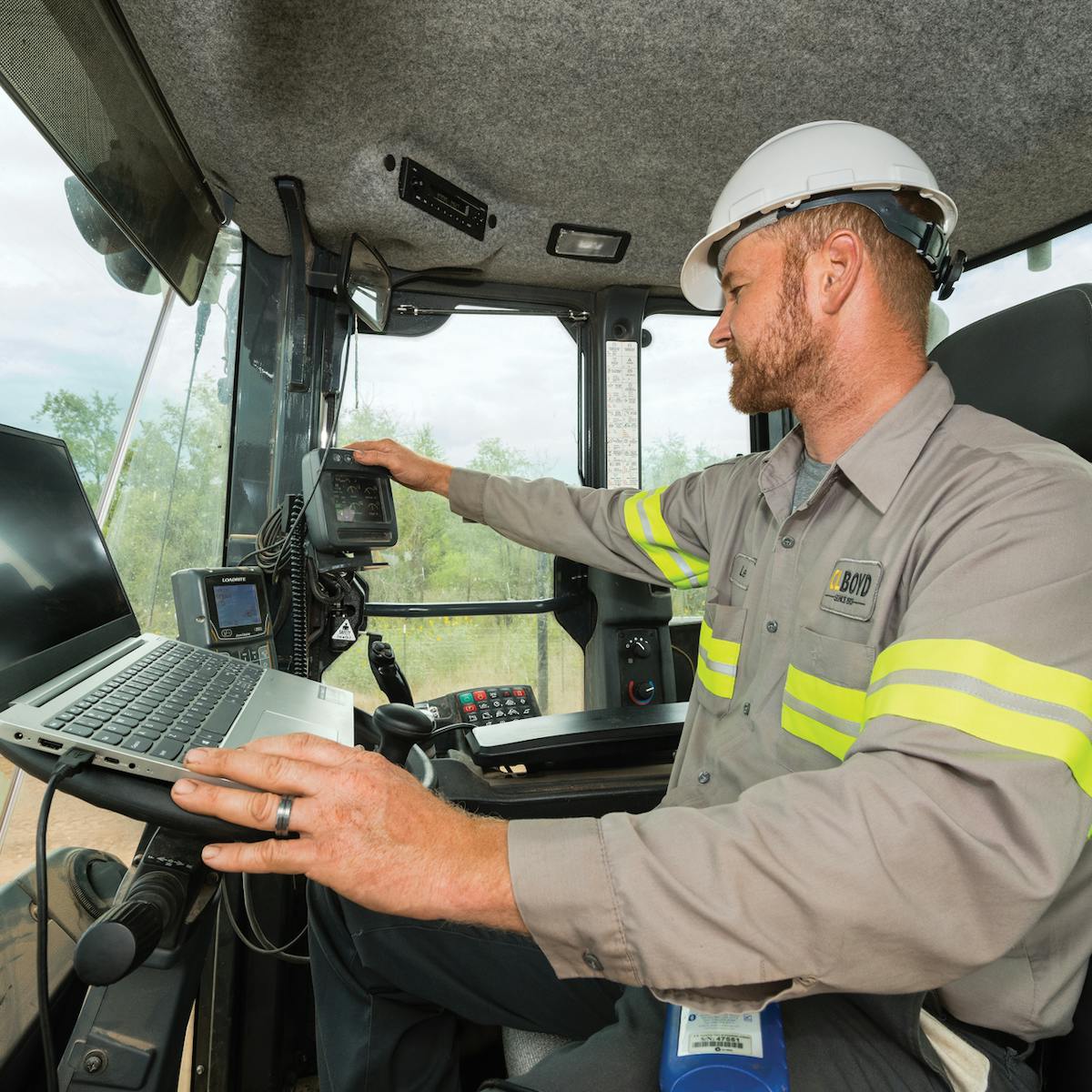
had any doubts in the matter, today you have multifunction displays capable of
telling both the physical and the mental state of your engine, transmission, and
electro-hydraulic systems, including what's wrong and how to fix it. Nor does
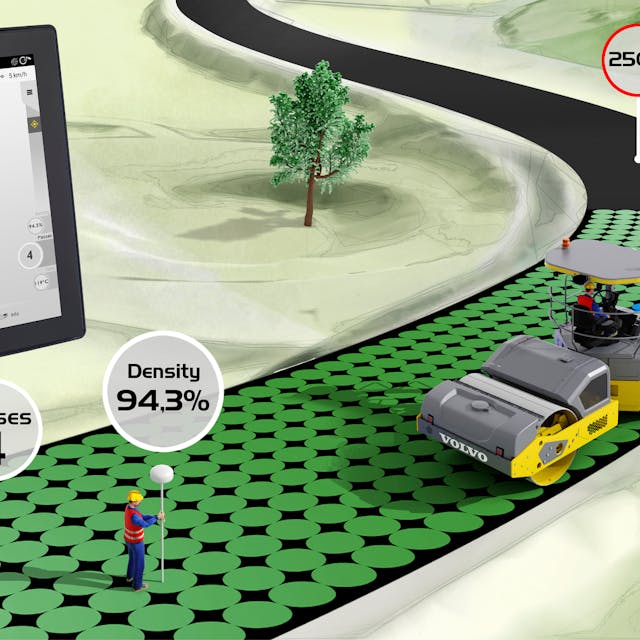
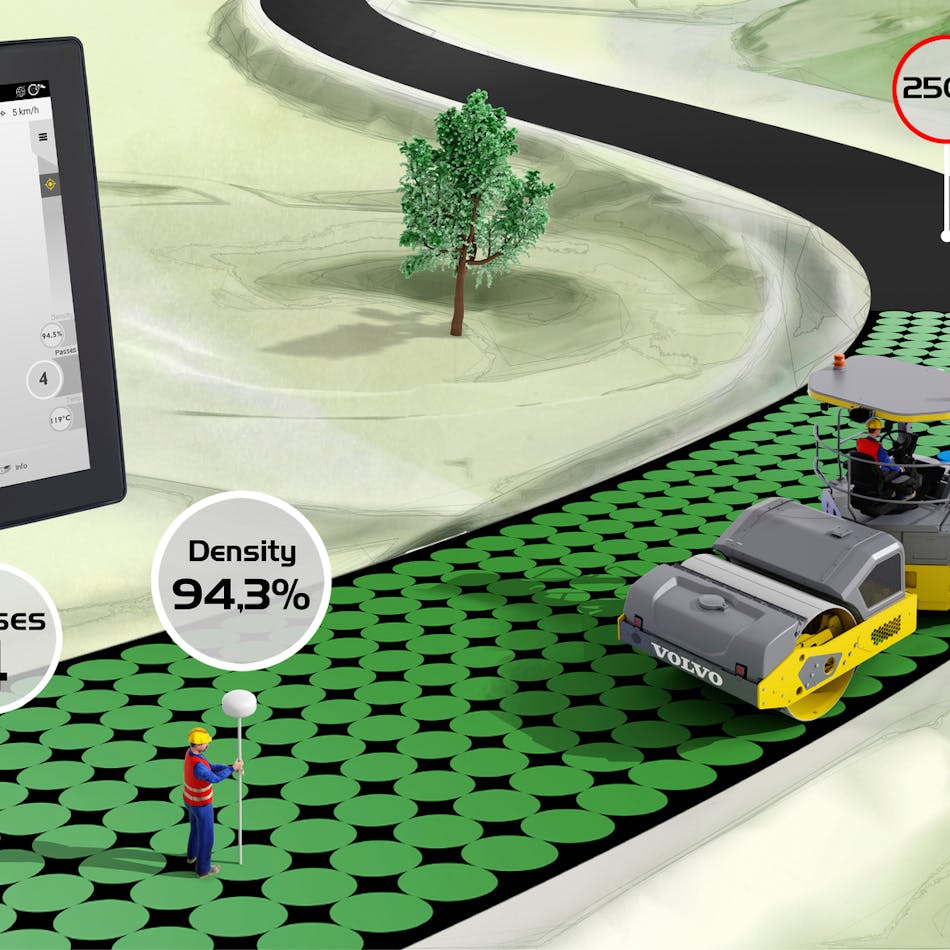
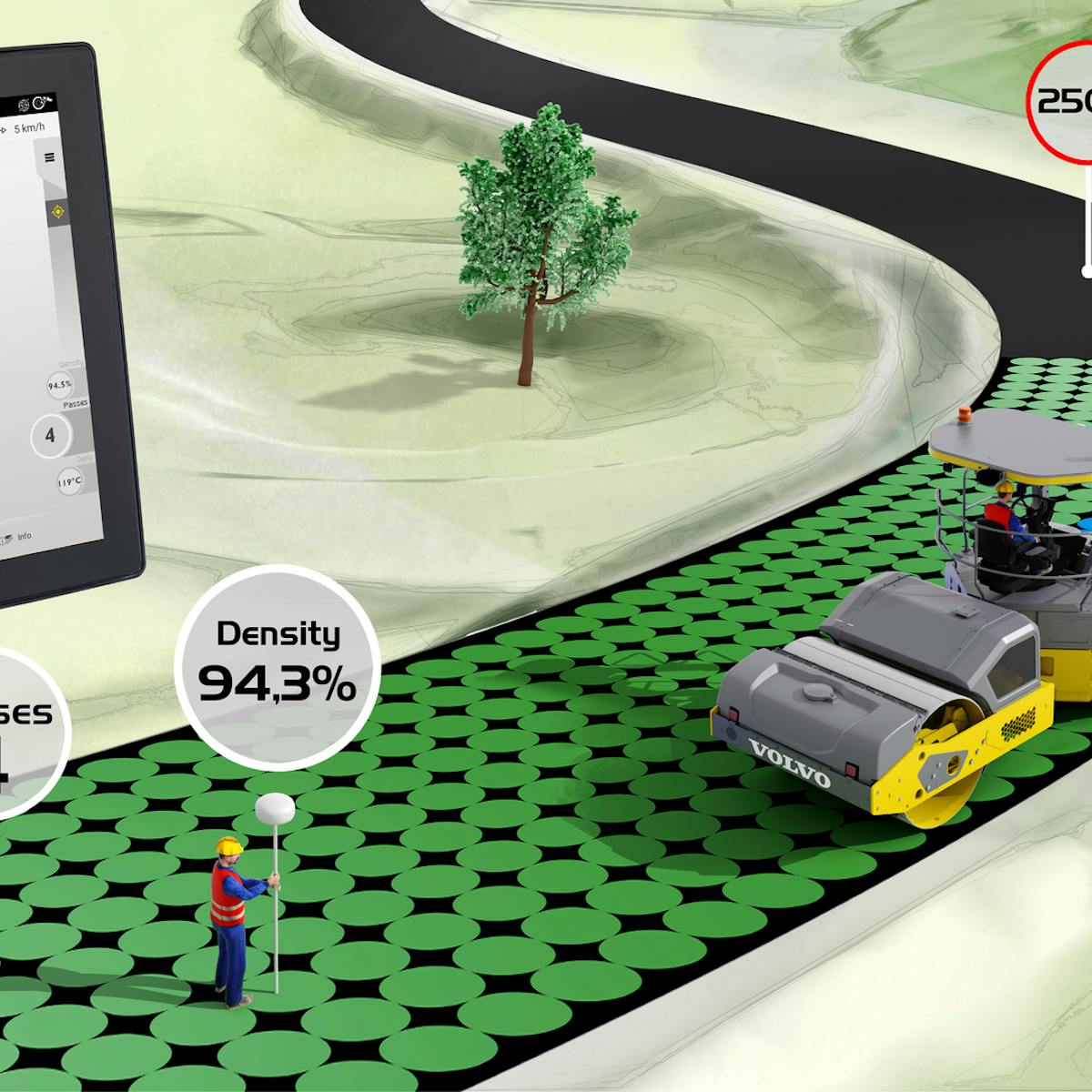
the technological intrusion end with status checks. Laser and global positioning
systems can show you where you stand—literally and in terms of your
project—where you'll be when you finish the job, and how to get there from
here.
For sure
computers have brought a lot of aggravation into our lives, perhaps causing you
to wonder whether your job is as satisfying today as it used to be. But when you
compare what you can accomplish in an hour or a week today against the same
period only a decade ago, the difference is astounding, and the revolution is
only in its infancy. Can you imagine meeting the emerging regulatory,
environmental, safety, and legal challenges without the help of today's
technology? I seriously doubt it. And it's only going to get more demanding from
here on out.
Perhaps the most
challenging situation we face today—and one that will become even more critical
in the future—is the evolving makeup of our workforce. Nationwide, nearly
two-thirds of our construction workers do not have English as their primary
language and in many cases do not speak, read, or understand English at
all.
Technology can
and will help us adapt to the situation, but that's only a small part of the
answer. The solution lies with you and your ability to stay on the front side of
the power curve when it comes to change. What does this entail? Well, to begin
with, it means taking an inventory of your entire operation to see how it
measures up to the challenge. Just what are the language and cultural conditions
in your workforce? Do such things as your policy manual, instructions, signage,
and warning decals reflect the actual needs of your workforce? Are you and your
supervisors able to communicate fully and precisely with your workers? Have you
found ways to provide both the education and the training to develop the
language and technical skills of your non-English-speaking
workers?
Those who are
able to meet such challenges as these will have a distinct advantage over those
who carry on "business as usual." Staying on top of change is tough, but luckily
there are a lot of resources out there to help. We're one of them, and it's our
job to tell you about them. But you can help us be even more valuable by letting
us know about the changes you're experiencing and the steps you've taken to stay
on top of them.