







In response to
the present downturn, what has become clear to all of us that we are now in the
midst of a phenomenon that is nothing less than a runaway revolution in the way
the construction business will proceed in the foreseeable future.
For decades,
the introduction of new equipment meant “bigger” or “stronger” or “faster,”
expressed in units of size, power, or performance. While the improvements were
real, they were for the most part iterative—in effect “makeovers” from the past.
Not so today.
Coming down
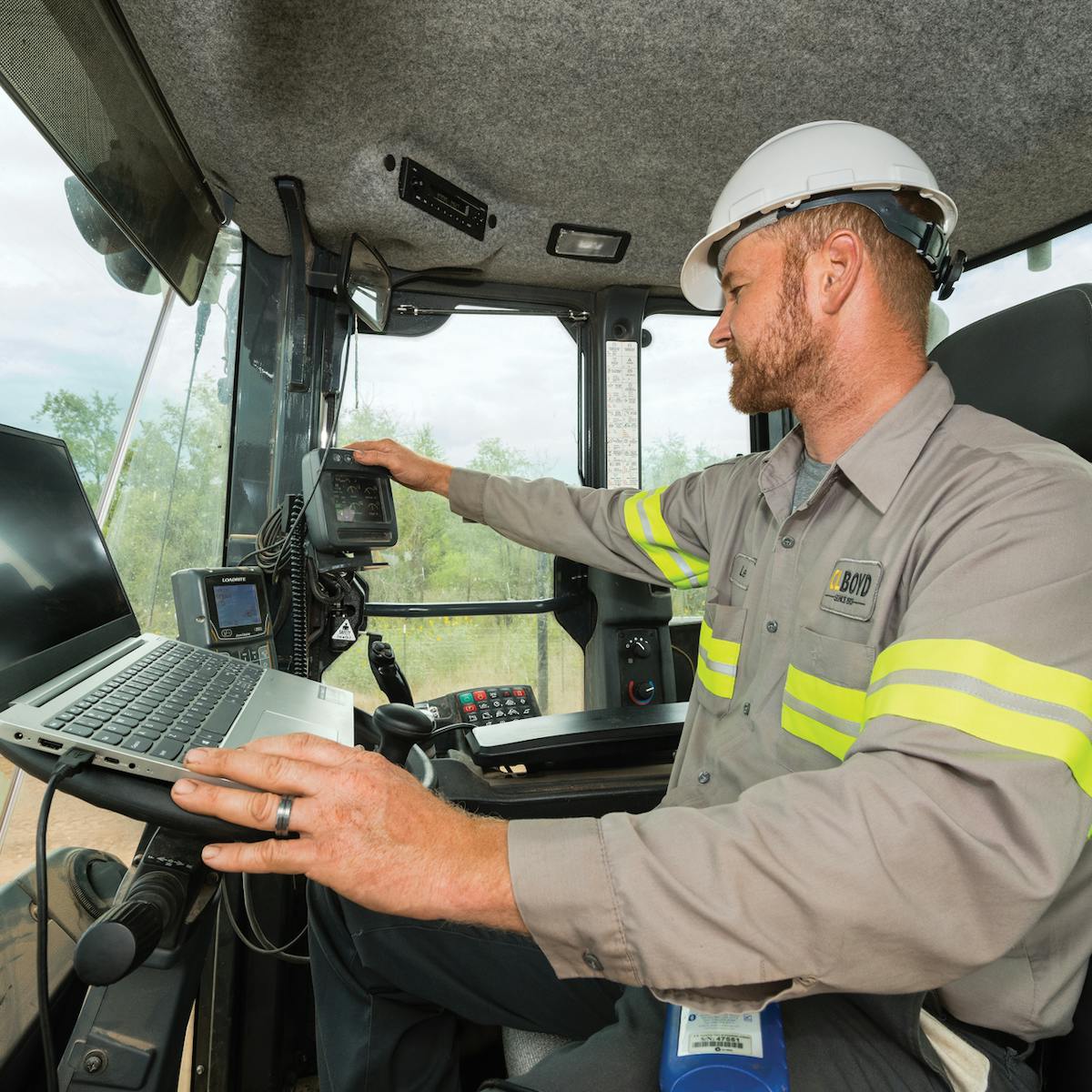
the line today are machines that might look pretty much the same as their
predecessors but are actually quite distinct. Most of these machines are called
upon to deliver little more than a mere fraction of their true capabilities. For
example, those electrohydraulic joysticks that used to wring gales of laughter
from seasoned operators are not only here (and here to stay), but they also hold
the potential for effortlessly delivering feats of power, control, sensitivity,
and complexity unmatched by equipment on which the “new” has barely faded. The
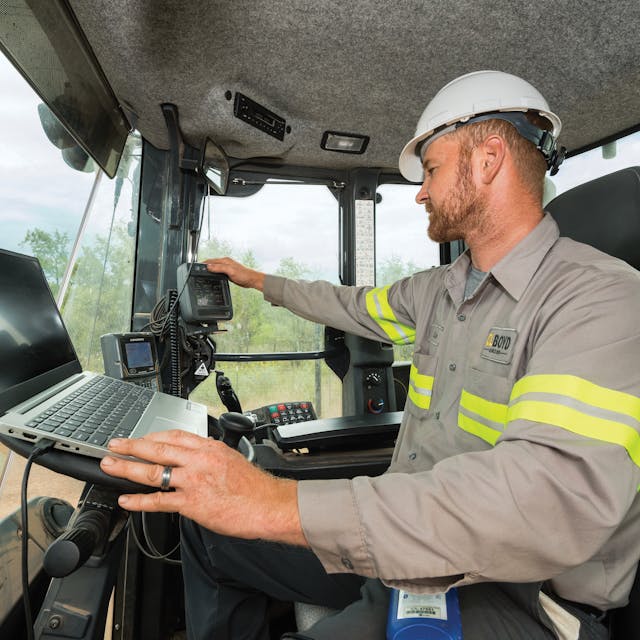
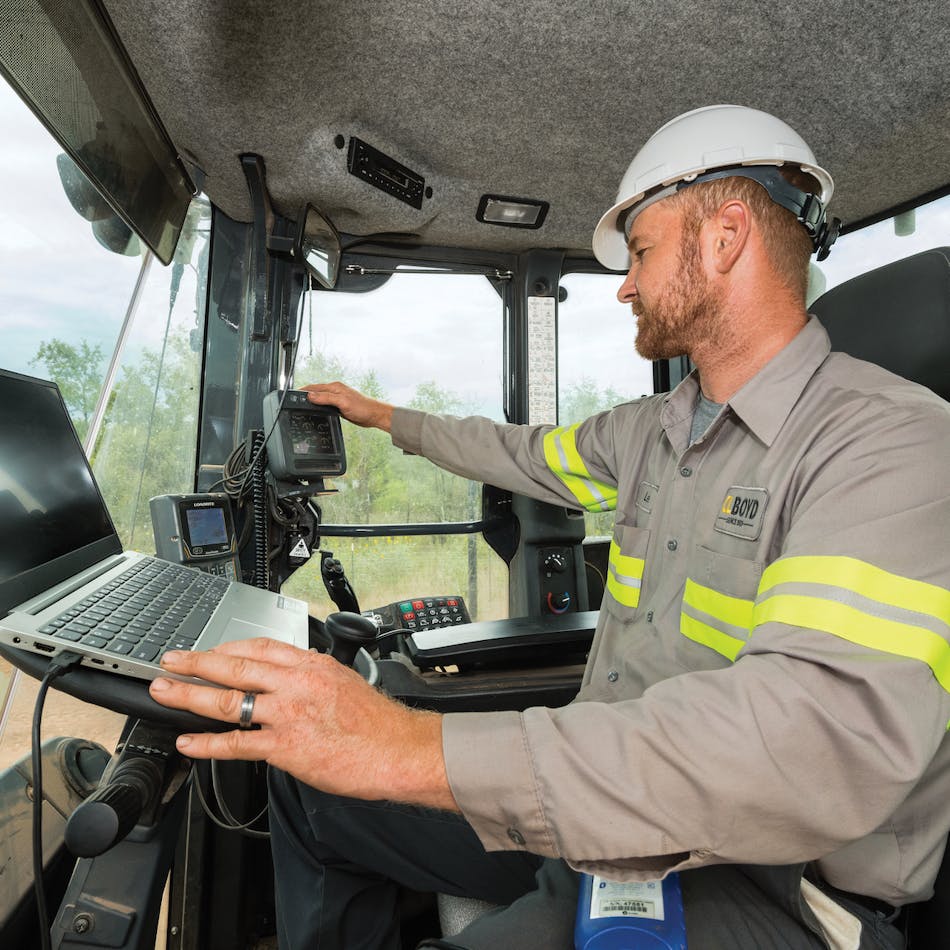
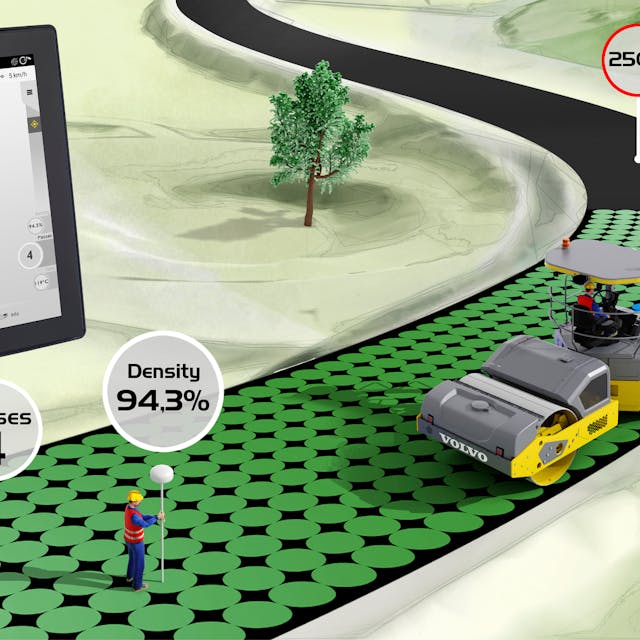
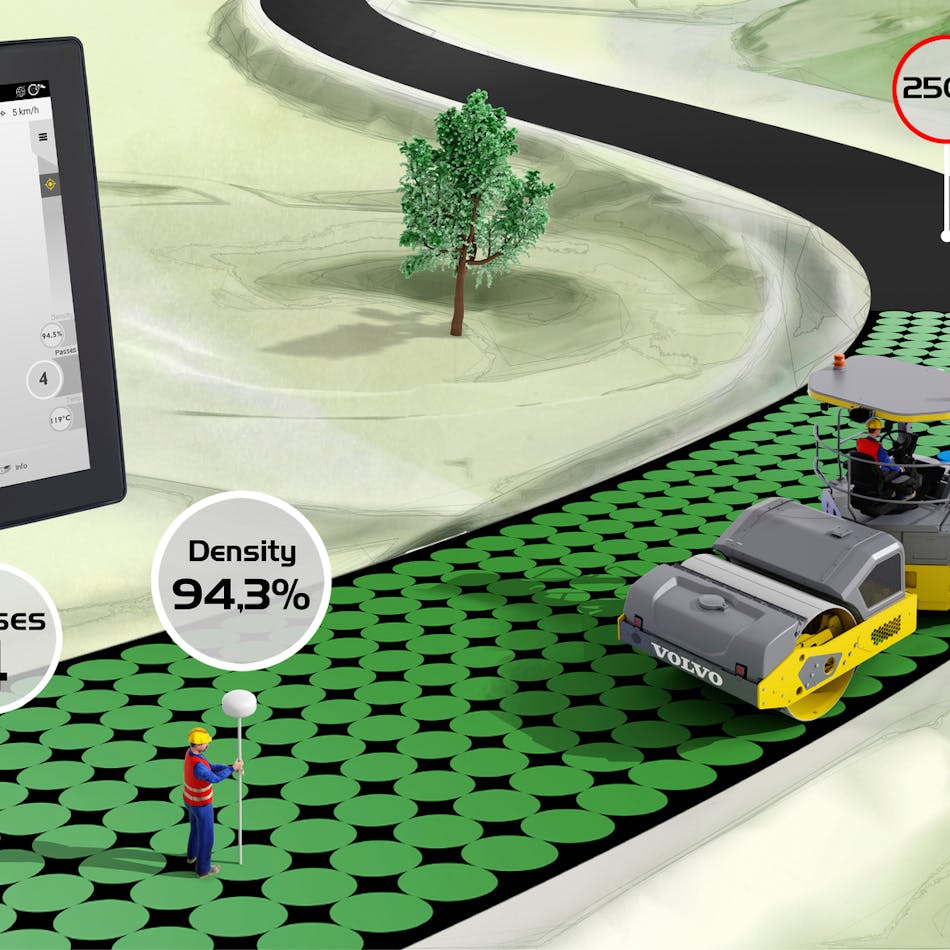
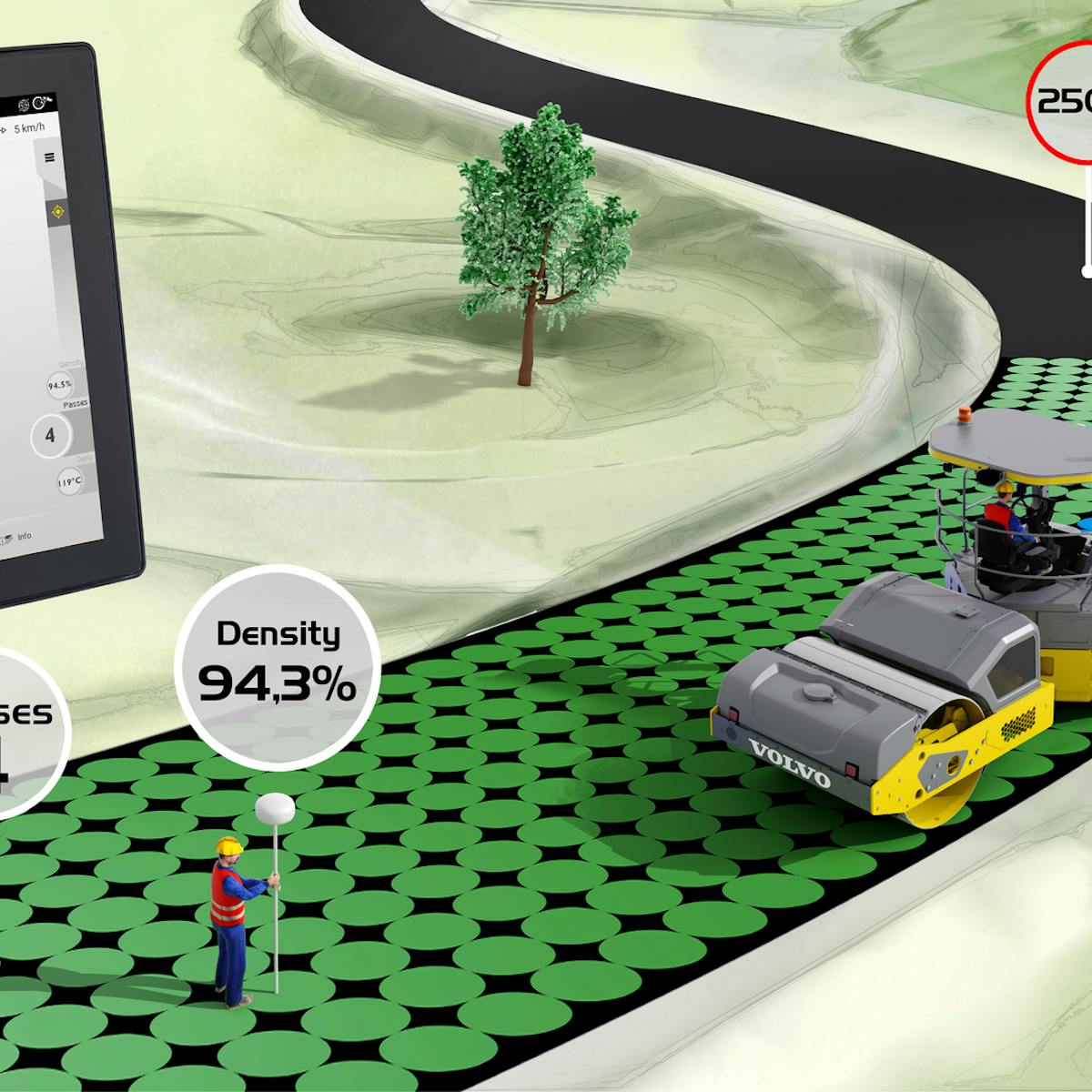
unseen element here, of course, is the growing list of high-tech systems—laser,
GPS, inertial, LIDAR, IR, and remote-sensing instruments—clamoring to pair up
with digitally actuated control systems that are tailor-made for the marriage.
So where’s the problem?
The most
important challenges we face—contractors and operators alike—are (1) getting on
top of momentous changes that have already taken place in the industry and (2)
then fighting to stay there because now that the floodgates are open, the pace
of change is bound to accelerate, not slacken. What this means for most of us is
making sure we’re pointed in the direction technology is heading and then
looking for opportunities to take advantage of programs designed to allow us,
our managers and supervisors, and ultimately our operators to make optimum use
of these advances. This is where education and training come
in.
Chances are
you wouldn’t go out and buy your son a full-blown PC with all the bells and
whistles and be content to watch him spend endless hours playing solitaire on
it, so why would you accept the same performance from one of your operators
because he doesn't know how to take advantage of your equipment’s full
capabilities? Many of us got our knowledge hands-on at the School of Hard
Knocks—and in some respects that’s still the best way—but not all of our
knowledge, especially when you’re talking about operating a machine capable of
putting $500 an hour in your pocket and settling for half that for the first
several weeks because your operators don’t fully understand what it can do or
how to take advantage of its automated features.
You might not
want to spend the time and money on training for your supervisors and
operators—in fact, you might feel their time would be better spent moving dirt
rather than developing new skills for accomplishing tasks that you knew backward
and forward before you got out of grade school—but before you commit to that
line of thought, make sure your people are as savvy and capable as you are … or
were.
While I can’t
tell you that “the old way” is wrong, I can promise you there are among your
competitors those who are going to try for every little bit of advantage they
can, whether its in the machinery, operator skills, or handling the paperwork.
Face it: If their estimators can dig into their computer screens and find ways
to have their highly trained operators on high-production machines complete a
job in 45 days while you're sitting there hoping on 60, you’re going to need
more than a wonderful résumé and a big smile to stay
competitive.
Our next issue will feature an
article on simulators, and I sincerely recommend that you read it and then
consider their potential for increasing efficiency of your operation.