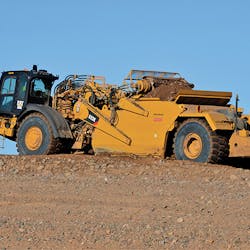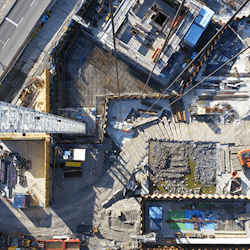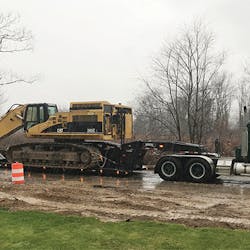




Excavation work has begun on the Westinghouse-designed Vogtle Nuclear Plant near Augustine, GA. Not only is it destined to be the largest reactor ever built in the US, it is also the first to enter construction since the 1970s.
I was alive at the dawn of the nuclear age, and if you had told me in 1960 that we would be no further down the road in taking advantage of its enormous potential for good than we are 50 years later, I’d have said you were nuts.
Today only 20% of the nation’s commercial power comes from nuclear energy, with hydro, coal, gas, and petroleum supplying the bulk of what’s left…a situation that has made strange bedfellows of environmentalists, utility companies, and government policymakers who are better known for being at each others’ throats.
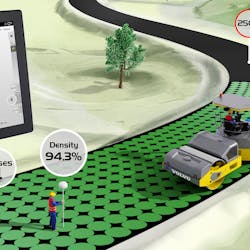
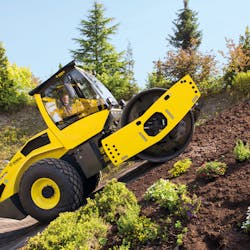
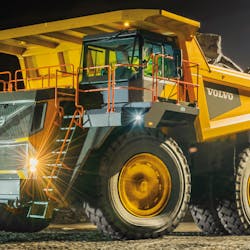
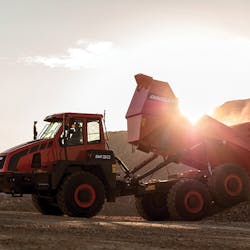
First step in constructing the Vogtle plant has been the preparation of the footings for the reactors on the 42-acre site, consisting of a pair of holes in the red clay all the way to bedrock; each more than 600,000 square feet in area, 90-feet deep. These were then refilled to about 50 feet with specially compacted soil to act as foundations for the pair of 1,100 MW reactors the Southern Co. will build on the site.
So far, $18.5 billion in federal loan guarantees has been made available to cover much of the cost of building new nuclear plants, tens of billions more in the offing. The new Vogtle reactors received $8.3 billion in loan guarantees from the US Department of energy this past February, proof that the present administration along with the Republican leadership support the increased use of nuclear power as part of a long-term strategy for reducing US reliance on fossil fuels.
Apart from the Vogtle project, nuclear power plant construction in the US appears to have stalled, with only the V.C. Summer plant near Jenkinsville, SC, undergoing construction. This issue, of course, is the horrendous cost per kilowatt—$6,000 for nuclear versus $1,000 for gas-fired—though the differential decreases over time. Nevertheless, there are a large number of proposals and applications awaiting approval for nuclear energy projects that are long overdue. The concern for the moment is not so much for adding nuclear capacity as it is for making up for losses that are sure to come as aging facilities are shut down.
As uncertainties over future fuel costs and environmental consequences are resolved, it appears there’s a lot of work to be done in this arena, so it will pay to keep your ear to the ground for opportunities as they arise in your neck of the woods.