













































Hollywood’s enduring vision of a fighter pilot is that of the daring loner who single-handedly clears the sky of the bad guys. It makes for great box office where the likes of Marion Morrison and Tom Mapother (a.k.a. John Wayne and Tom Cruise) reign supreme, but in the sky—where chance writes the script—teamworkers get the leading roles. The same is true in construction, where accidents continue to raise havoc despite all the regulations and dollars brought into the fray.
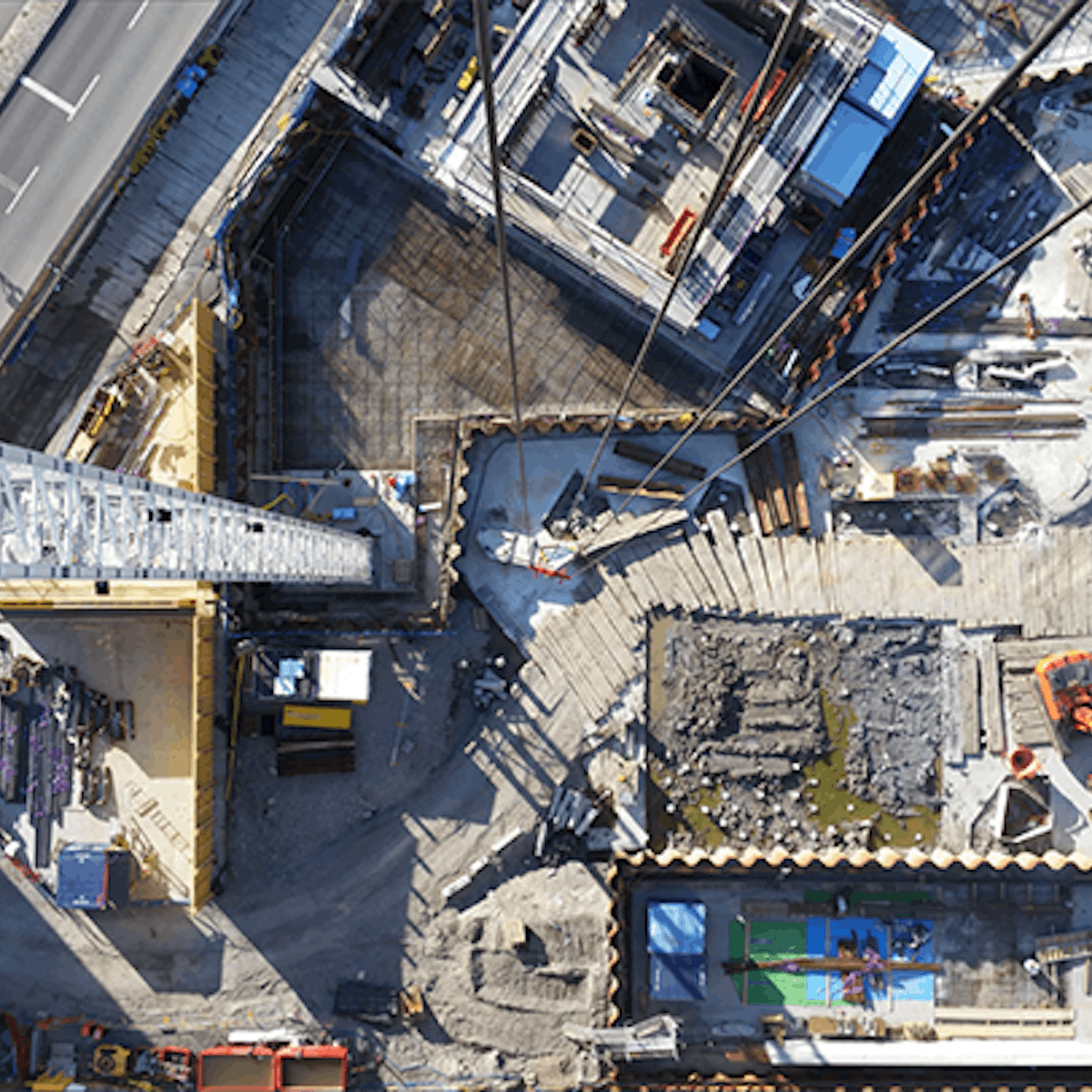
Even where science and industry combine to provide a virtual 360-degree view of the airspace around them, once engaged in an air-combat maneuvering fur ball, pilots depend on well-honed formation tactics where each pilot assumes the responsibility for his wingman’s safety rather than his own. Far from being altruistic, this is just plain old common sense. If you lose your wingman, who’s there to protect your tail? So many things are going on at a job site, no one can be aware of all the risks at once.
Stop and think for a moment about the people you have working for you. Chances are that some of them follow safety rules because they are told to…and even then are apt to ignore them. Others do so because they recognize their personal skin-saving value, but may not see how teamwork might improve things still more. It may be a hard sell, but it is only through teamwork that the culture of safety can grow and thrive…and you are the key.
There are numerous ways to encourage teamwork, but one you might consider is a periodic (weekly) report requiring all hands to note hazards and good practices they’ve observed during the period. The resulting responses can then be collated and presented for discussion during crew meetings. It’s a simple enough process that not only teases out hidden hazards, but raises the overall safety awareness as a routine part of company policy.
You have your own methods of encouraging teamwork, so how about sharing them with us?