















































The Grading and Excavation Contractor Blogs

The Blogger

Trotti, John

More from this blogger

Grading and Excavation Contractor Editor's Blog

  • RSS
  • Save
  • Print
  • Email
Sunday, November 16, 2008 7:00 PM

Bottom Lines

By: Trotti, John Comments

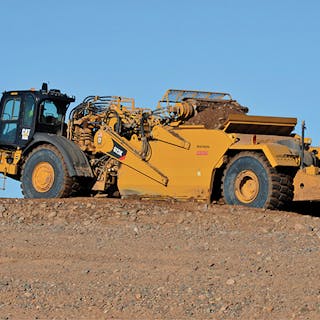
Your primary concern in these discussions has to do with the efficiency with which you are able to marshal your resources of leadership, knowledge, people, and equipment to move dirt … and ultimately to prosper. That’s where our focus will continue to lie, and that’s why you’ll want to check in with our “Technology in Construction” column every issue. But there’s another matter here that is all too often overlooked, or if considered, apt to be regarded as pretty much a regulatory matter … soil conservation, the bottomest of all bottom lines.

Before you can so much as scratch the surface of an acre-or-larger parcel of land, you have to create and swear vile oaths to live up to stormwater and erosion control plans that often seem to be—and sometimes are—exercises in governmental overzealousness (efforts we cover in great depth in our Stormwater and Erosion Control magazines). Even when we see the necessity for installing and maintaining best management practices to counter the forces of wind and water because of their impacts on air and water quality, rarely does our vision include the effect our activities are having on the most precious and irrecoverable of all natural resources, the dirt itself.

Right now, energy and water hold front stage in our pantheon of public concerns, and without belittling their importance (after all they’re the subjects of sister publications, Distributed Energy, Water Efficiency, and Stormwater) their challenges pale by comparison to soil loss. It’s one thing to deal with dust and turbidity where we have the means to limit and remediate situations in time in our own lifetimes. But soil loss? Here we’re talking remediation not only out of our hands, but out of processes that operate in geologic terms, where the replacement of just one millimeter of new topsoil will not occur in your or even your children’s lifetime.

Think Greece 2,500 years ago, when it was a veritable Garden of Eden. Then think about it now … for the most part, a rocky barren reminder of what lies in store for much of the world, including us. There are areas in the US that have lost over half their topsoil in the last 100 years, and it’s not coming back! So while the new tools and the revolution they support are important to your prosperity, the results of their precision and efficiencies will be felt by generations yet unborn … a pretty good opportunity, don’t you think?

What Do You Think?


Be the first to tell us what you think!

Post a Comment

Note from the Editor: The content that appears in our "Comments" section is supplied to us by outside, third-party readers, and organizations and does not necessarily reflect the view of our staff or Forester Media—in fact, we may not agree with it—and we do not endorse, warrant, or otherwise take responsibility for any content supplied by third parties that appear on our website. All comments are subject to approval.

CAPTCHA Validation
CAPTCHA
Code:


Grading and Excavation Contractor Email Updates!

Get weekly news and updates through our email newsletter!