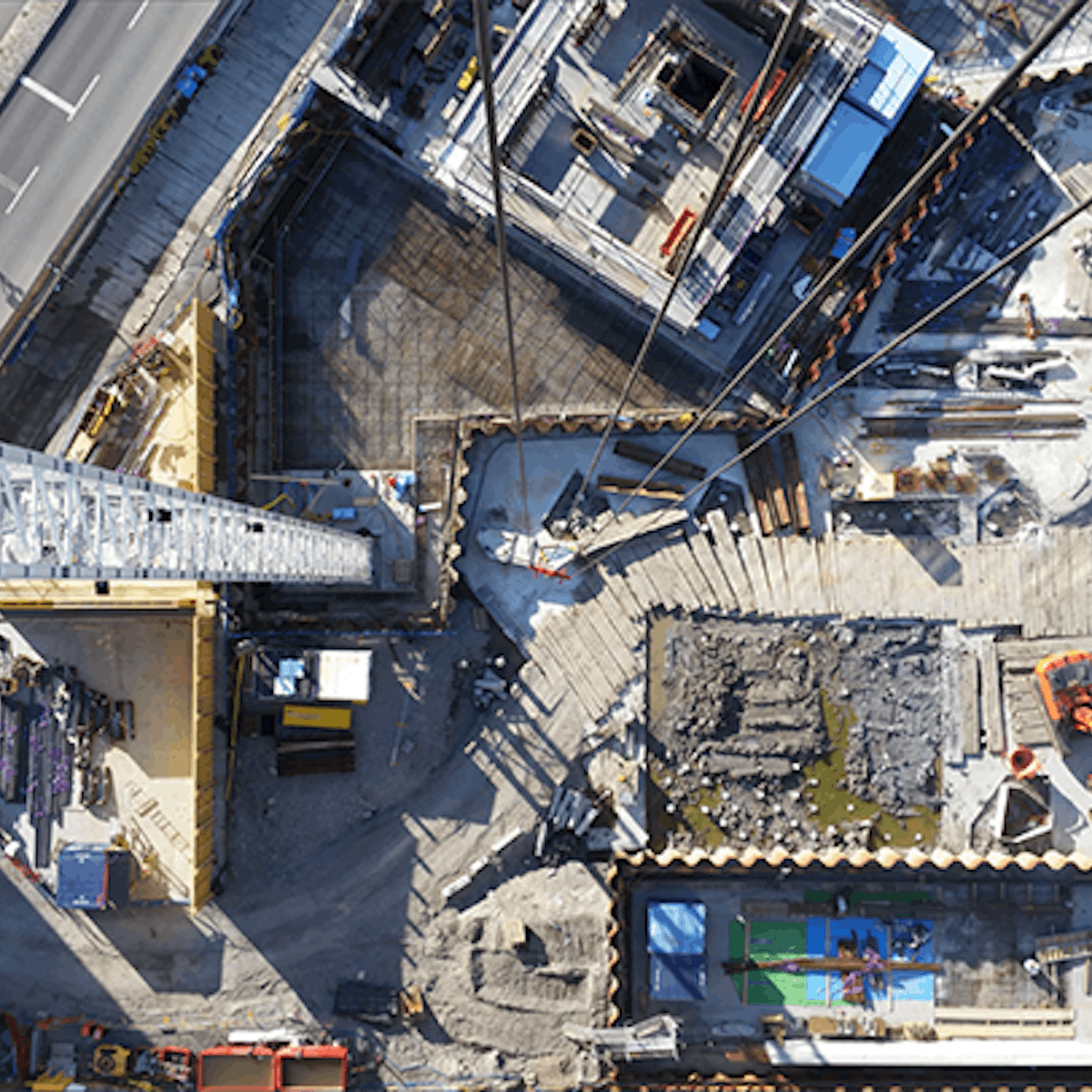



















































I spent last week in the Southeast, where I visited a couple of landfills in connection with our sister publication,MSW Management. As most of you are aware, today’s landfills are a far cry from those sites we used to call “dumps.” Instead, they are as painstakingly designed, engineered, plumbed, and operated as any construction job site you can imagine, but with the proviso that the project is ongoing…for decades or even generations.
One of the sites—Waste Management’s Columbia Landfill near Savannah, GA—has just completed the installation of a landfill gas-to-energy facility that will send 6.4 MW to the local utility, a sizeable and welcome reduction in the area’s requirement for non-renewable fuels. But the energy system is only a small part of the landfill’s overall activity.
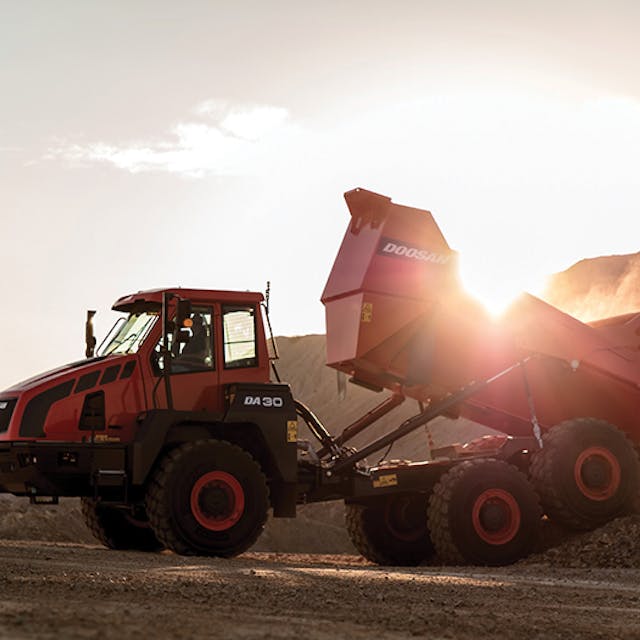
Elsewhere on the site, old cells are being filled, capped, and monitored. New cells are being constructed, lined, and plumbed for leachate and gas recovery in preparation for daily activity. On the working face, dozers spread newly deposited waste for spiked-wheeled compactors to compress. At the same time, excavators load articulated dump trucks with soil for daily, intermediate, and final cover, while dozers and graders create and maintain haul roads from the gate to the working face.
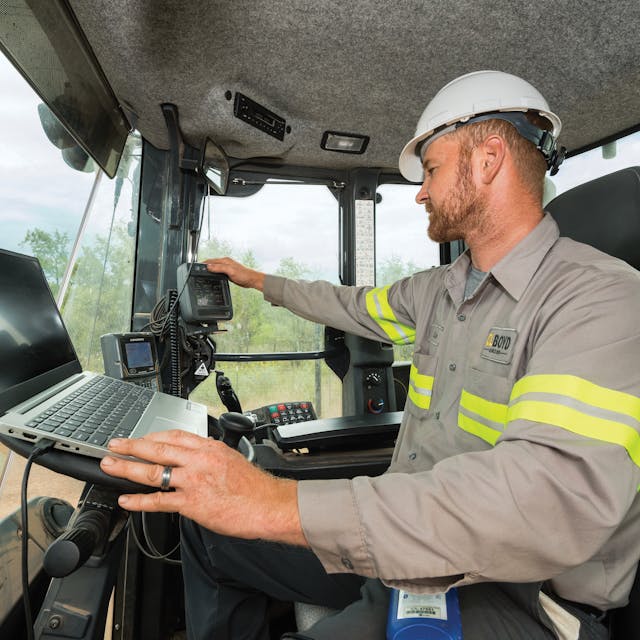
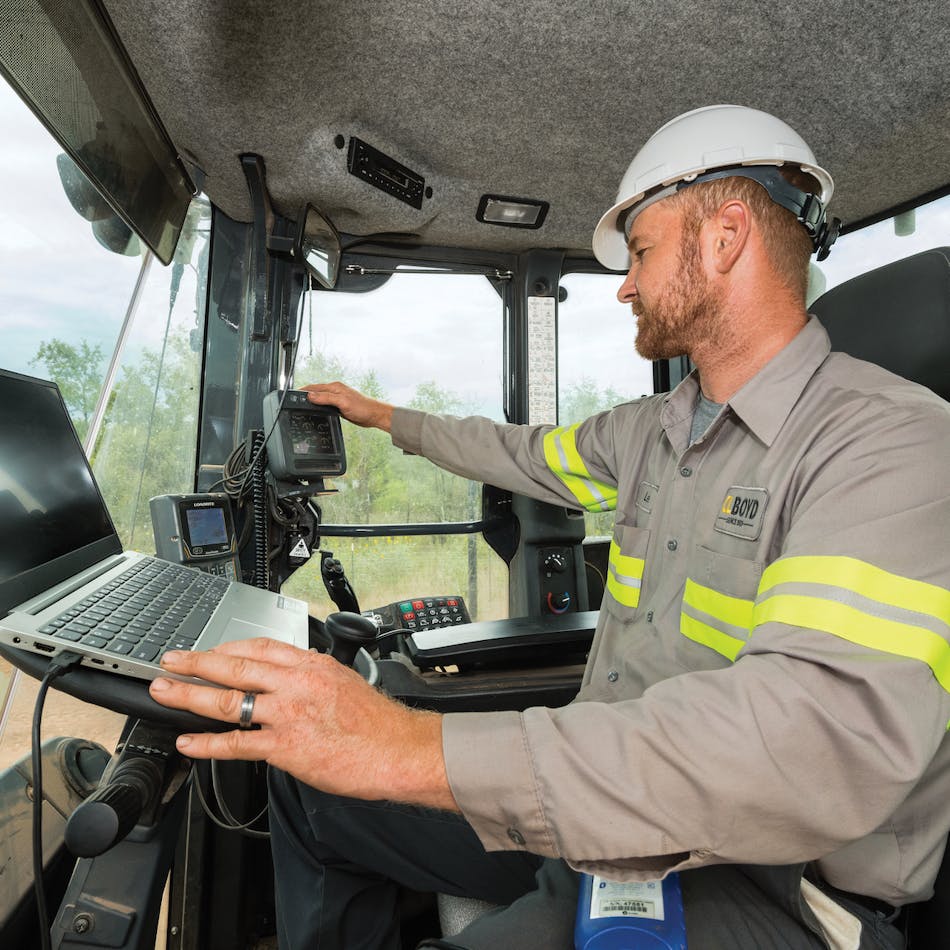
Since every cubic yard of airspace is valuable, extreme care is taken to avoid the loss of a single foot of area in the creation of each lift; thus the use of GPS, laser, and photogrammetric survey and measuring equipment throughout the site.
Because of the differences in the types and amounts of materials being deposited, the ongoing development process is far from routine. Adding to the challenge is the regulatory environment into which the operations must fit, along with such public awareness concerns as odor, litter, dust, noise, vectors, rodents, and birds, to mention a few.
If you have never witnessed a landfill in operation, I heartily recommend you do so, and for more information on landfills, you should visit www.mswmanagement.com