













No PM, No Production
Outlining and implementing a successful preventive maintenance program is an essential part of operations.
Wednesday, January 30, 2013
Written by Stan Orr
Financially healthy fleets, whether large off-road equipment, trucking, or automotive, typically have one thing in common: a world-class preventive maintenance (PM) program. The purpose of a PM program is to ensure routine maintenance and replacements are done at the appropriate time to prevent bigger problems—and additional, unexpected costs—from cropping up later.
In the most general terms, the cost of not following a preventive maintenance program can result in loss of production as a result of excessive, unplanned equipment downtime, shortened machine and machine component life, and poor utilization of available manpower.
PM certainly isn’t a “best kept secret,” and few would say they don’t understand the concept. Yet, not every fleet can boast a world-class program. One of the biggest contributors is the investment that goes with the territory. A proactive PM program requires a significant time and effort investment on the part of the equipment manager and the team of technicians. During hectic workdays, PM often falls by the wayside.
The other challenge is that of not having a full understanding of what a solid program entails. Many perceive preventive maintenance of mobile equipment as little more than the changing of oils, fluids, and filters. While these are all certainly important pieces to any complete PM puzzle, they represent just a tiny section of the big picture. A complete program may include such procedures as cleaning, inspections, testing, sampling, measurements, adjustments, and the replacement of specific items to prevent faults from occurring.
PM is a major factor that a fleet manager can completely control, and one that will significantly reduce the owning and operating cost of the machine when done properly. The first step when looking to implement a new or take an existing program to the world-class level is to understand the two basic types of PM.
Proactive Versus Reactive—and Condition-Based
Although only one truly can be called strategic, two basic maintenance strategies exist: proactive and reactive. Successful PM programs are built on a proactive approach, or identifying areas to address before they become major problems and cost issues. There’s an old saying of “Fix it before failure.” Applied to a proactive program, it means setting planned inspection intervals, based on a combination of manufacturer’s recommendations and the fleet manager’s intuition and experience, and following through in a timely, efficient manner. These intervals are often identified in terms of fuel consumption, hours of operation, or mileage—or a combination of factors—and include every task from changing engine oil to scheduling major replacements.
Conversely, a reactive approach is that of sitting back and waiting for issues or breakdowns before giving the machine the attention it deserves. This approach doesn’t allow planning ahead or scheduling repairs when they are more convenient, and it is the most expensive maintenance practice.
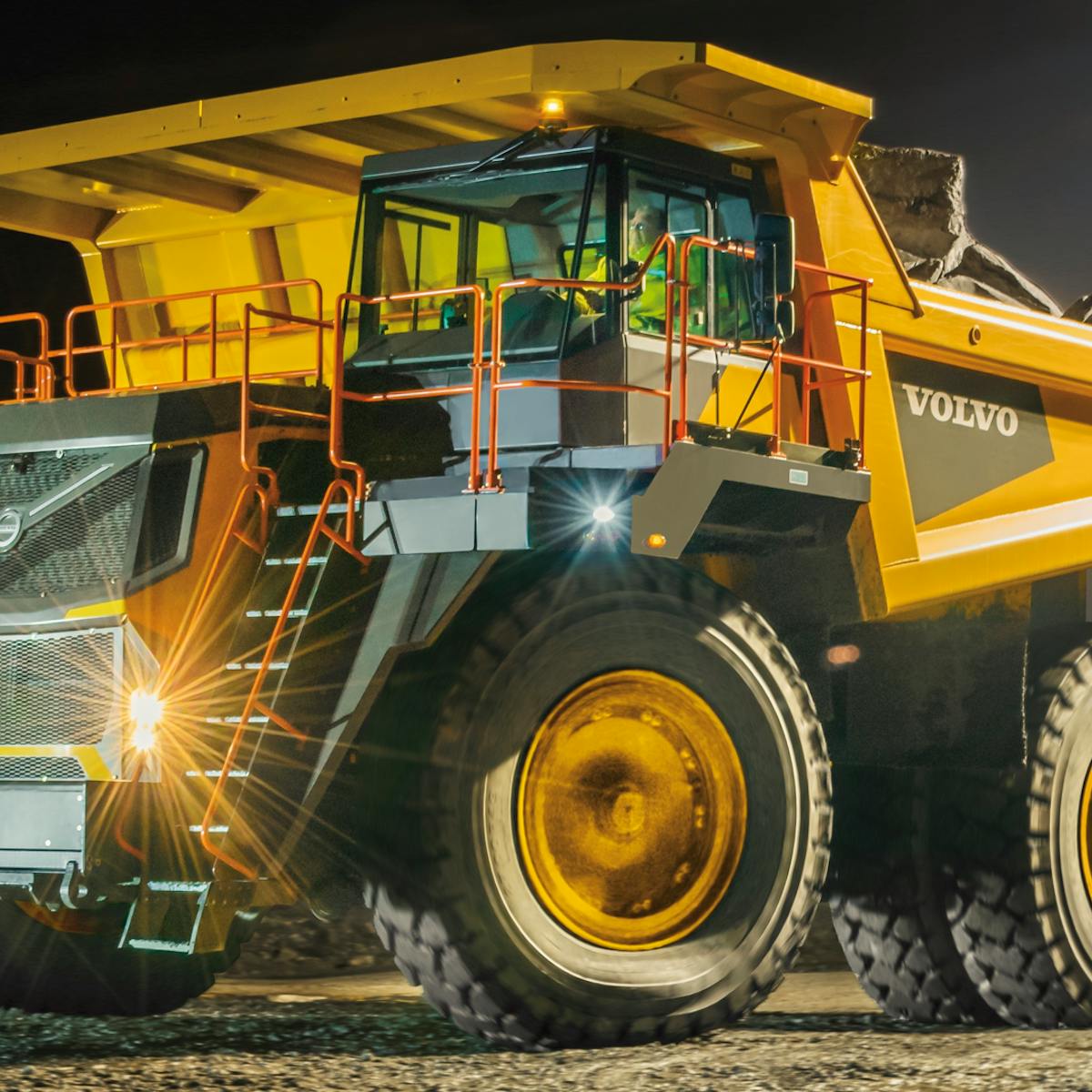
A general example shows the cost difference between a proactive and reactive maintenance program. Based on average wear characteristics, say, a haul truck’s brake pads have 1,000 miles of expected use. Through standard telematics tracking methods as part of the proactive PM program, the equipment manager knows when a vehicle hits the 1,000-mile mark and the brake pads should be replaced. To replace at this time can be done for a cost of $155. If the brake pads are not replaced at this time, the rotor will likely be damaged, and the cost skyrockets to $230—that’s in addition to the original cost simply of replacing the worn pads. This is a 48% increase in the cost of maintenance that could have been avoided with simple attention to detail and a proactive program, not to mention downtime costs due to more thorough repairs needed.
Similar instances, multiplied over time, increase operating costs significantly. This shows, not only the importance of a good PM program, but a proactive one.
On the road to a world-class maintenance program, there’s one additional category that exists: condition-based. Also often referred to as predictive maintenance, it’s a proactive approach with the goal of removing repairs from the equation as often as possible. Condition-based maintenance aims to predict potential issues and eliminate them at the root before they ever grow into a problem.
When it’s decided to implement a new program, or to improve an existing one, many asset managers are at a loss for where to begin. It doesn’t have to be a hassle or headache. Rather, simply following a few tips and approaching the process with thought and planning will ensure desired end results are achieved.
Taking the Steps
Each operation will have its own variables dependent on each machine’s application, servicing facilities, service people, and site management practices. Before developing a new program or improving an existing one, it will be beneficial to gather and review all info and documentation regarding the current PM practices. In the event no official documentation exists, it must be created. The manager in charge should meet with the appropriate team members, including those who are actually performing PM tasks, to determine what is actually being accomplished versus perceptions of what is being accomplished. When this information has been organized, it can be used as the base for a world-class program.
In order to be effective, PM practices must be developed for each machine model and each machine application. Using one set standard across machine models and applications may result in over-servicing or under-servicing a machine, both of which may be detrimental to the machine and the associated cost of maintaining the machine. As a starting point, managers should look to the equipment manufacturer’s guidelines. Most major manufacturers have developed and documented inspection programs for various intervals on their machines. The inspections are based on average machine applications, assume proper operation, and that machines are using all fluid, oils, and filters that meet or exceed the manufacturer’s recommendations.
After looking at individual manufacturer guidelines, the next step is to look at hour intervals. These are generally established as eight hours per day, five days per week, and 176 hours per month, and generally repeat every 2,000 hours. The manufacturer’s criteria must be considered as a starting point and modified to fit each individual’s application and circumstances to be effective.
The intervals that are selected and established for each individual’s operations must be designed to the company’s machines, specifications, policies and a host of other variables. To give an idea of how this can break out, the following is an example of a solid PM program.
8–10 hours (daily)—Approximately every day, a thorough inspection should be conducted by the equipment operator. This should include a walk-around examination of the machine, cleaning the cab glass and mirrors, daily lubrication of selected pivot points, checking of fluids and oils, brakes, tires and tire pressure, all safety systems incorporated into the machine, and all operating controls and instruments. Finally—and equally important—a written report identifying any deficiencies should be completed and submitted to the manager in charge of the PM program.
100–125 hours (biweekly)—In addition to the daily process, the biweekly examination involves a machine cleaning cycle. When the equipment is clean, it should be inspected for any signs of leakage including oil, hydraulic fluid, fuel, and coolant. Finally, necessary adjustments, such as belts and tensions, and servicing the applicable systems should be taken care of by a maintenance person who has reviewed the weekly operator’s inspections reports.
200–250 hours (monthly)—Depending on usage, most companies use the monthly inspection process for the engine oil change and oil sample analysis. Additionally, the machine should be inspected for signs of leakage, and for any hoses that appear worn or damaged.
500 hours—The 500-hour maintenance generally includes the items included in the daily, biweekly and monthly maintenance and repairs, as well as fuel filter changes.
1,000 hours—The 1,000-hour mark includes the items in the daily, biweekly, and monthly inspections and the changing of additional fluids and filters. An oil sampling should be conducted and the oil checked for contaminates. Additionally, a fuel analysis should be performed. It’s also at this time predictive maintenance is most crucial, and a very detailed inspection must be performed to identify any developing problems that can be rectified at an early stage or planned for a scheduled repair prior to failure. The inspection consists of several items, including checking shifting at all gears, primary and secondary steering, clutch disconnect, and heater and air conditioner function. Looking for signs of leakage is also important.
2,000–5,000 hours (annual)—The 2,000- through the 5,000-hour interval, or the annual machine inspection, is a very complete inspection including elements of all previously mentioned intervals such as oil changes, filter changes, coolant changes, and oil sampling of all compartments of the machine. It also includes the predictive approach and elements from the 1,000-hour mark. Finally, it’s generally recommended that all pressures are checked, recorded and adjusted as necessary to the original machine’s specifications.
When the program has been clearly defined, the final step—aside from actual execution—is to establish the point person for implementation. Whether it’s an appointed technician, shop foreman, or the asset manager, tasking one person with implementation and follow through ensures the program won’t fall off or become nothing more than a manual that ends up at the bottom of a desk drawer.
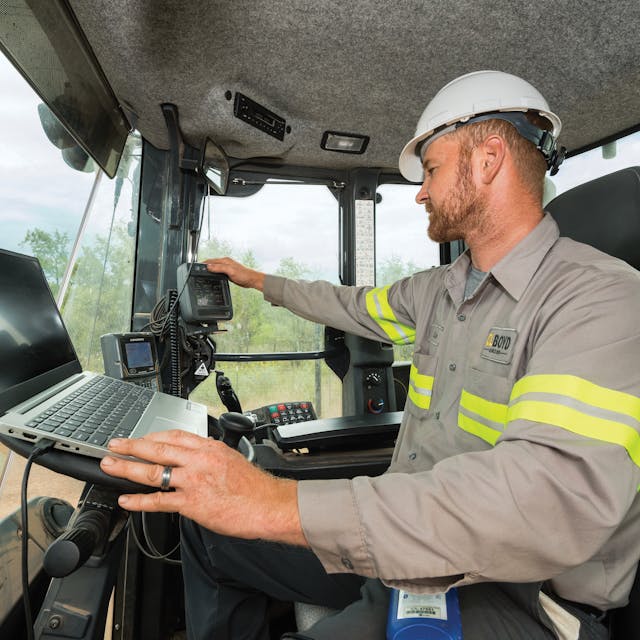
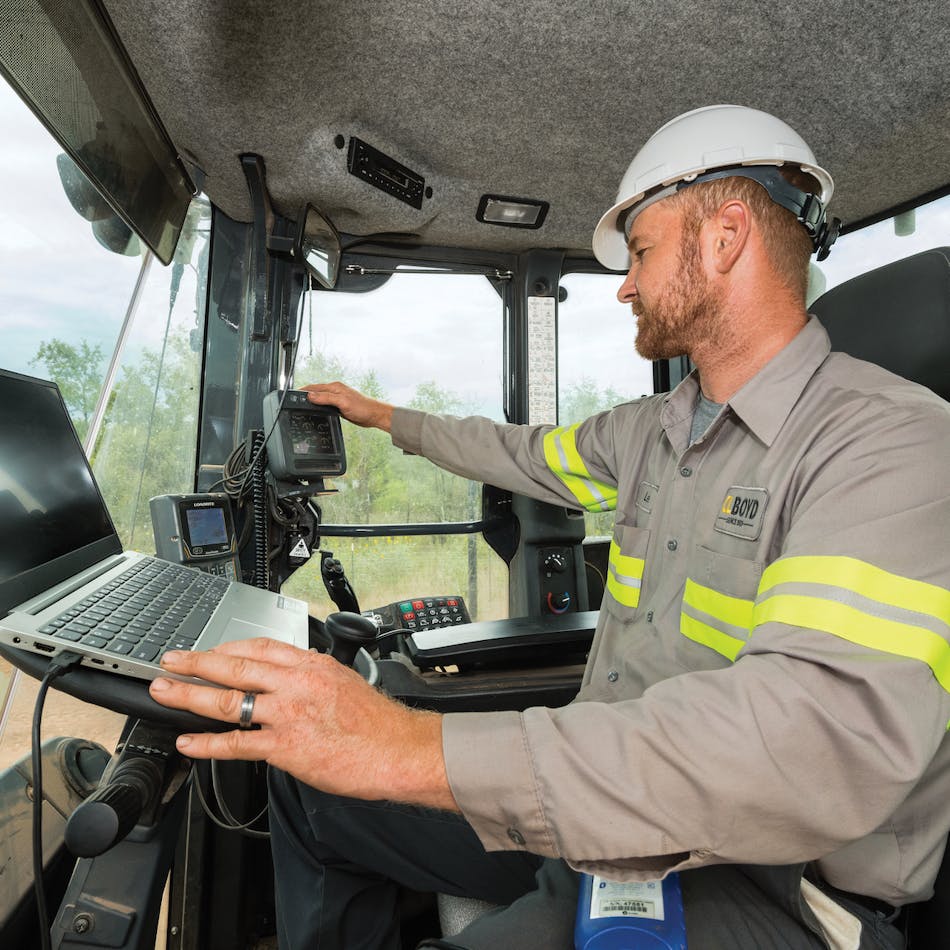
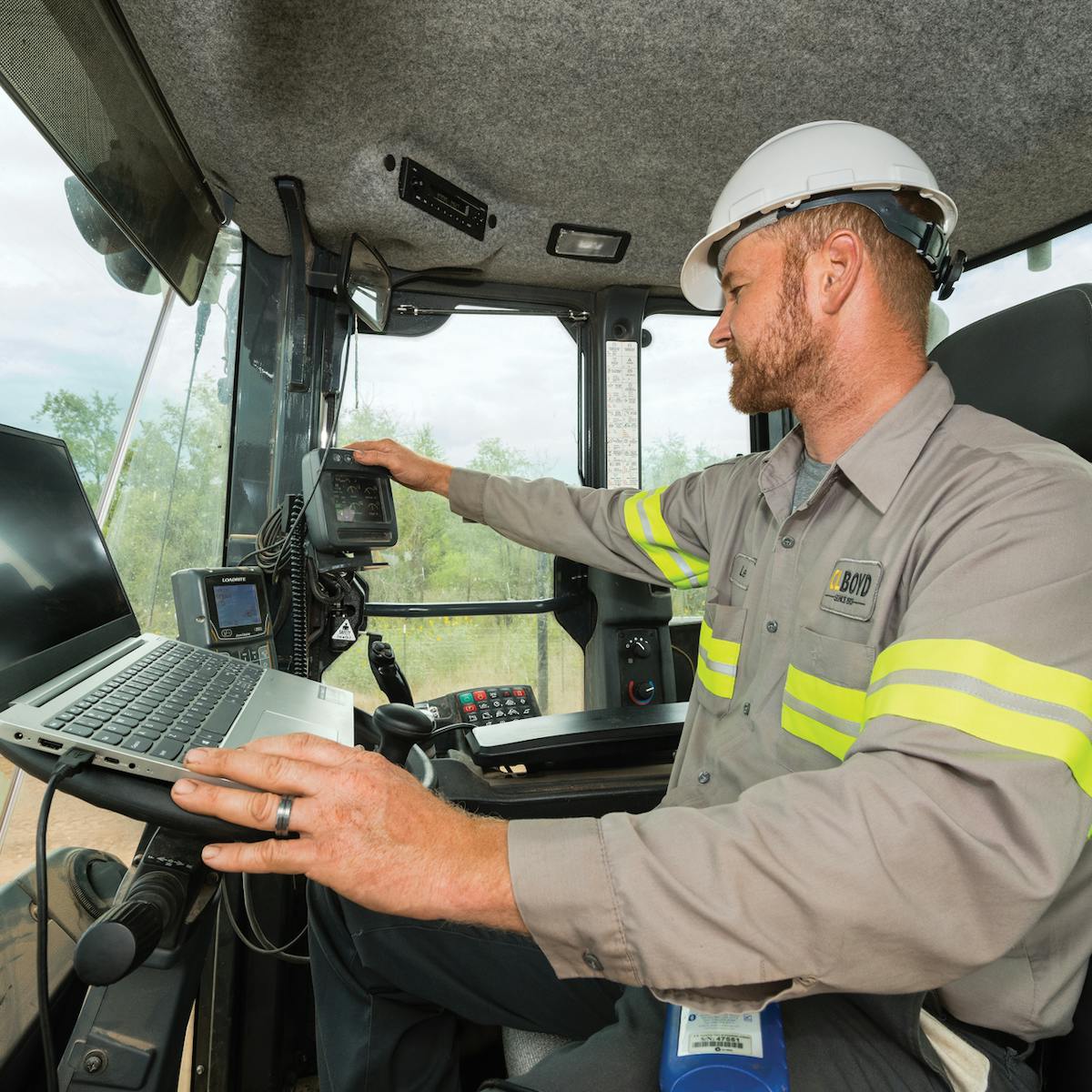
Technology has made it easier to ensure PM programs are successful. Telematics allows precise monitoring and delivers real-time data even when the machine and fleet manager are out in the field. It’s all in how much the fleet manager chooses to utilize the technology and delegate tasks.
The value of a strong, proactive PM program can’t be overstated. From excessive and unnecessary repairs to added costs from lost productivity when a machine goes down, PM is one of the most important investments an asset manager can make in his or her fleet. With a small upfront time investment and ongoing commitment, any asset manager can implement a PM program, or take a current one from average to world-class.
Contributing writer Stan Orr, CAE, is president and CSO of the Association of Equipment Management Professionals.
Advertisement]